Quick Answer: Co-development in personal care manufacturing means working as a team with your manufacturer to bring a personal care product from concept to reality. Instead of simply buying an off-the-shelf formulation, co-development lets you influence every step, from selecting ingredients that align with your brand values to choosing packaging to testing for performance and safety. This collaborative model ensures products are not only effective but also aligned with your brand’s promise.
For companies in the beauty and wellness space, especially those committed to clean, natural, and ethical personal care products like Good Karma Wellness Private Limited, co-development is strategic. It combines your brand’s vision with scientific expertise and manufacturing excellence to create differentiated products that resonate with end consumers, supported by personal care products manufacturing.
Why Co-Development Matters in Personal Care
In today’s competitive personal care market, consumers are more informed and demanding than ever. They want products that are not just effective but also safe, transparent in ingredients, and made with purpose. Generic formulations no longer cut it for brands that want to stand out.
Modern co-development enables:
- Customization: Tailored formulations that reflect a brand’s identity and consumer needs.
- Quality control: Rigorous testing and standards throughout development and production.
- Innovation: Integration of research-backed ingredients and technologies.
- Compliance: Adherence to regulatory standards across markets.
- Faster time-to-market: Efficient processes that avoid repeated iterations.
This is especially important for brands like Good Karma Wellness that are rooted in clean, wellness-driven personal care and want to maintain trust and integrity with their audience.
The Co-Development Process Explained
Co-development typically follows a systematic journey:
- Ideation & Briefing – The brand defines its goals: product type, target audience, key benefits, and brand ethos. This serves as the roadmap for the project.
- Research & Formulation Design – The manufacturer collaborates with the brand to select ingredients, develop formulations, and create prototypes. This step often involves multiple iterations to balance performance, aesthetics, and safety (clean beauty manufacturers).
- Testing & Validation – Products go through stability tests, safety assessments, and performance evaluations. Feedback loops help fine-tune formulations before scaling.
- Regulatory Compliance & Documentation – Ensuring all ingredients, claims, and labelling meet local and global regulatory standards (ISO certified manufacturers).
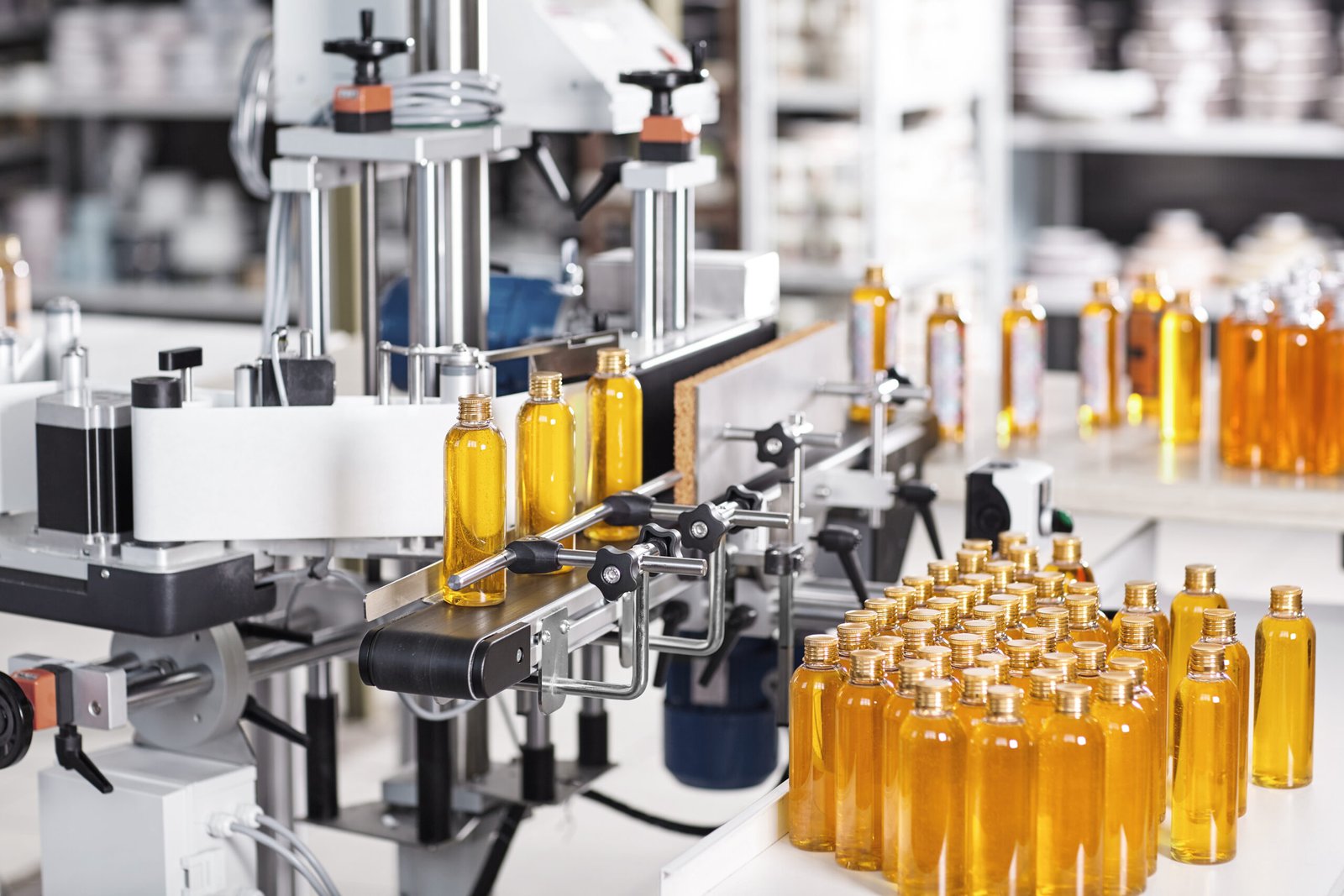
- Production & Packaging – After formulation finalisation, products are manufactured at scale. Packaging selection is aligned with branding, sustainability goals, and consumer expectations.
- Launch Support – Manufacturers can assist with batch records, certifications, and technical documentation to support product launches.
This structured approach ensures that the end result is not merely a product, but a meaningful expression of the brand’s vision and values.
Benefits of Co-Development for Brands
Co-development delivers benefits that go beyond simple manufacturing:
- Strategic Partnership: You gain a partner invested in your success, not just a supplier.
- Cost Efficiency: Shared expertise reduces trial-and-error costs and shortens development timelines.
- Brand Differentiation: Unique formulations help brands stand out in crowded markets.
- Sustainability Alignment: Work together on eco-friendly materials and processes that reflect your values.
- Consumer Confidence: Products supported by robust testing build trust and long-term loyalty.
For a values-driven company like Good Karma Wellness, co-development ensures personal care solutions that uphold clean, natural, and wellness-focused principles throughout the product lifecycle, often supported by third party cosmetic manufacturers.
Common Co-Development Models in Personal Care
There are several ways co-development can be structured:
- Collaborative Formulation: Joint R&D to create bespoke formulas.
- Private Label Co-Creation: Customisation of existing base formulas to align with brand identity using private label cosmetic manufacturers.
- Full Service Custom Development: End-to-end support from concept to launch.
- Shared Innovation Projects: Brand and manufacturer co-invest in new technologies or unique ingredient systems.
Each model offers different levels of control, investment, and creative involvement depending on the brand’s goals and market strategy.
How Good Karma Wellness Approaches Co-Development
At Good Karma Wellness, co-development is informed by years of expertise in personal care manufacturing, a commitment to clean formulations, and an ethical approach to wellness products. The focus is on:
- Natural and conscious formulations that resonate with modern consumers.
- Personalised solutions crafted with quality and purpose.
- Strong partnerships that elevate brand visions into market-ready products.
- Stringent quality checks and ingredient transparency.
Whether you’re an emerging startup or an established brand seeking to innovate, our co-development process is designed to reduce risk, enhance performance, and deliver a product lineup you can confidently present to your audience, similar to contract manufacturers.
FAQs
Q1. What does co-development mean in personal care?
Co-development is a collaborative product creation process where a brand and manufacturer jointly design, test, and produce a formulation tailored to the brand’s goals.
Q2. How is co-development different from private label?
Private label uses pre-existing formulas with limited customization, while co-development creates custom formulations from scratch with full brand involvement.
Q3. Who benefits from co-development?
Both emerging and established brands benefit, especially those seeking unique products, stronger market differentiation, and higher quality standards.
Q4. How long does co-development take?
The timeline varies by complexity, but most co-development projects take several weeks to months, depending on testing, compliance, and production scale.
Q5. Can co-development help with regulatory compliance?
Yes. Manufacturers support compliance by ensuring formulations, labelling, and documentation meet regulatory requirements in target markets.
Q6. Is co-development expensive?
Costs depend on the extent of customisation, ingredient selection, and testing requirements. While often higher than private label, it delivers greater long-term value.
Q7. What types of products can be co-developed?
Skincare, haircare, body care, baby care, and niche personal care categories can all be co-developed to match brand needs.
Q8. Does co-development support sustainable goals?
Absolutely. Brands can choose eco-friendly ingredients, packaging, and processes to reflect their sustainability commitments.