A third-party manufacturer for clean beauty products develops, tests, and produces beauty products for brands. Clean beauty manufacturing focuses on responsible ingredient selection, product safety, quality, transparency, and sustainable production practices.
In the fast-growing world of clean beauty, more brands are turning to third-party manufacturers to bring their vision to life. But what exactly does a third-party manufacturer do, and why are they essential in the clean beauty movement?
In simple terms, a third party cosmetic manufacturers (also called a contract manufacturer) is a specialized company that formulates, produces, and sometimes even packages beauty and wellness products for other brands. This allows brands to focus on their identity, marketing, and community while the manufacturer handles the technical, regulatory, and production aspects.
The Rise of Clean Beauty and Ethical Manufacturing
The term “clean beauty” has evolved from a trend into a movement, one that’s visible even among cosmetics manufacturers in kolkata and other emerging manufacturing centres. Consumers today are more conscious than ever about what goes on their skin, and into the environment. They look for brands that are transparent, cruelty-free, vegan-friendly, and sustainably sourced.
Clean beauty standards generally focus on ingredient selection, responsible sourcing, product safety, transparency, and environmentally conscious manufacturing. Since there is no single universal definition of “clean beauty,” brands should clearly communicate the standards behind their products.
However, developing clean, effective formulations backed by science is not a simple task. It demands R&D expertise, compliance with safety standards, and access to sustainable raw materials. This is where a third-party manufacturer for clean beauty products steps in.
Third-Party vs Contract vs Private Label Manufacturing
These manufacturing models are related but offer different levels of customization:
|
Model |
What It Means |
Customization |
|
Third-Party Manufacturing |
Manufacturer develops and produces products for a brand. |
Medium–High |
|
Contract Manufacturing |
Manufacturer produces products according to the brand’s specifications. |
High |
|
Private Label |
Brand sells an existing formulation under its own name. |
Low–Medium |
The best option depends on your formulation needs, budget, timeline, and desired level of customization.
What Does a Third-Party Manufacturer Do?
A third-party manufacturer partners with beauty brands to turn product ideas into reality. Their work often includes:
- Research and Development (R&D) – Creating formulations that align with clean beauty standards while ensuring efficacy and safety.
- Ingredient Sourcing – Procuring plant-based actives, essential oils, and eco-friendly preservatives from trusted suppliers.
- Testing and Validation – Conducting efficiency, stability, and safety testing to ensure quality and performance.
- Regulatory Compliance – Meeting global regulations such as FDA, EU, or BIS standards.
- Manufacturing and Packaging – Producing products in clean, certified facilities with scalability options.
- Quality Assurance – Ensuring every batch meets strict quality benchmarks before it reaches the consumer.
In short, they bring a blend of science, sustainability, and scalability to every brand collaboration, and understanding the full manufacturing process of skin care products can help brands know what to expect at each stage.
Why Clean Beauty Brands Prefer Third-Party Manufacturing
Launching a beauty brand involves more than just having a great idea, it requires technical know-how, specialized equipment, and compliance expertise. Partnering with a third-party manufacturer helps brands overcome these barriers.
Here’s why this partnership makes sense:
1. Access to Expertise
Third-party manufacturers have experienced chemists, formulation experts, and production teams who understand the latest skincare and wellness trends, which is why so many new brands look for the best skincare manufacturer for startups early on.
2. Cost Efficiency
Building an in-house lab or facility can be expensive, and knowing how much does it cost to manufacture skin care products upfront helps brands plan their budget. Contract manufacturing helps reduce capital investment while ensuring consistent quality.
3. Speed to Market
With ready infrastructure and established processes, brands can launch faster and adapt to market changes easily.
4. Sustainability and Ethics
A trusted clean beauty manufacturer emphasizes eco-friendly practices, such as minimal waste, biodegradable ingredients, and ethical sourcing.
5. Innovation Support
Manufacturers often help brands innovate with next-gen formulations, like probiotic skincare, natural retinol alternatives, or bioactive plant complexes.
How to Choose the Right Third-Party Manufacturer for Clean Beauty
Not all manufacturers follow the same standards, and location can matter too, for instance when comparing cosmetics manufacturers in maharashtra against other regional hubs. When selecting a partner, consider these key factors:
- Transparency: Choose a company that openly communicates about ingredients, processes, and certifications.
- Flexibility: Whether you’re a startup or an established brand, look for scalability, from small batches to full-scale production.
- R&D Capabilities: Strong in-house research is vital for creating high-performance, clean formulations.
- Sustainability Commitment: Ensure the manufacturer aligns with eco-conscious values, like recyclable packaging and reduced carbon footprints.
- Quality Certifications: Check for relevant certifications such as GMP and ISO 9001:2015, which demonstrate established quality and manufacturing processes. Good Karma Wellness Pvt. Ltd. holds GMP and ISO 9001:2015 certifications.
A great manufacturer isn’t just a supplier; they’re a strategic partner who helps you create products that are safe, effective, and aligned with your brand story.
The Science Behind Clean Beauty Manufacturing
Creating clean beauty products is both an art and a science. It involves balancing natural actives with scientific validation. Key aspects include:
- Plant-Based Ingredients: Derived from botanicals and ethically harvested sources.
- Natural Preservatives: Gentle yet effective alternatives to traditional synthetics.
- Biocompatible Formulations: Designed to work harmoniously with the skin’s natural ecosystem.
- Clinical Testing: Ensures real, measurable benefits without compromising safety.
This scientific approach ensures clean beauty is more than just a label, it’s a promise of purity and performance.
Examples of Clean Beauty Products
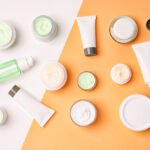
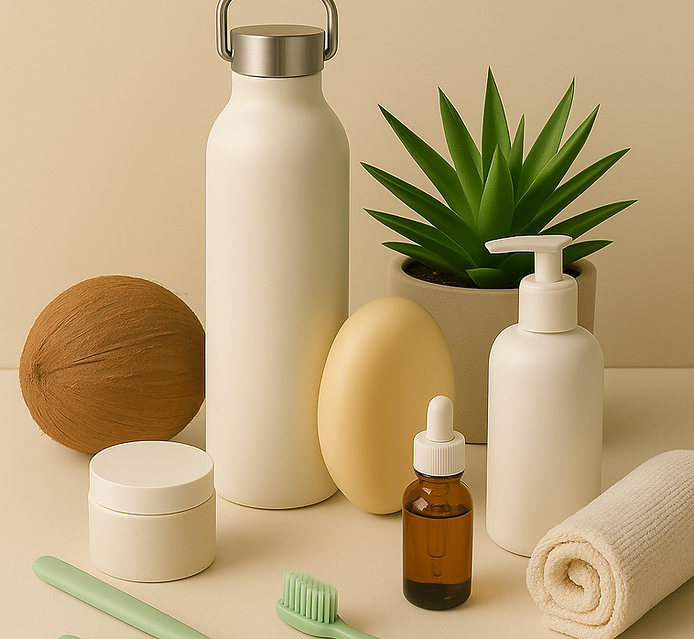
Third-party manufacturers can produce different types of clean beauty products, including skincare, haircare, body care, and botanical-based formulations, and many brands also turn to specialised hair care product manufacturers for this category specifically. Depending on their capabilities, this may include serums, creams, cleansers, moisturizers, lotions, and other personal care products.
The Future of Clean Beauty Manufacturing
As consumers become more ingredient-aware, the clean beauty industry will continue to evolve. Emerging trends like biotechnology in skincare, carbon-neutral production, and AI-driven formulation are reshaping the way products are developed.
Third-party manufacturers are at the forefront of this change, offering brands not just production capacity but also strategic innovation.
Partnering With Purpose: Why Good Karma Co. Leads the Way
If you’re a brand looking to bring your clean beauty vision to life, Good Karma Co. (now Good Karma Wellness Pvt. Ltd) is a trusted partner that embodies science, sustainability, and purpose.
At Good Karma Co., every product is:
- Created with Nature, Validated by Science, and Inspired by Purpose.
- Crafted using plant-based, ethically sourced ingredients.
- Backed by extensive R&D, safety testing, and global compliance.
- Produced in eco-conscious facilities that minimize waste and prioritize transparency.
Whether you’re a startup exploring your first product or an established brand expanding your range, Good Karma Co. offers flexible, end-to-end manufacturing solutions tailored to your goals.
Build products with purpose. Create something exceptional with Good Karma Wellness Pvt. Ltd.
Visit The Good Karma Co. to start your clean beauty journey today.
Frequently Asked Questions
Q1. What is a third-party manufacturer in beauty?
A third-party manufacturer makes beauty products for other brands, handling formulation, testing, and production.
Q2. Why do brands use third-party manufacturers?
They help brands save costs, access expertise, and bring products to market faster without needing in-house facilities.
Q3. What makes a manufacturer “clean beauty” focused?
They use safe, non-toxic, and sustainable ingredients that are ethically sourced and cruelty-free.
Q4. Are third-party manufactured products safe?
Yes, reputable manufacturers follow strict testing, safety protocols, and global standards to ensure quality.
Q5. Can small beauty startups work with third-party manufacturers?
Absolutely. Many manufacturers, like Good Karma Co., offer small-batch and scalable solutions for startups.
Q6. What is the difference between third-party and private label manufacturing?
Third-party manufacturing can offer customized development, while private label generally uses pre-developed formulations.
Q7. Does Good Karma Wellness have GMP and ISO certification?
Yes. Good Karma Wellness Pvt. Ltd. holds GMP and ISO 9001:2015 certifications.
Q8. What products can clean beauty manufacturers make?
Depending on their capabilities, they can manufacture skincare, haircare, body care, and other personal care products.