The best export-ready cosmetic manufacturer combines controlled manufacturing, quality systems, product testing, regulatory documentation, scalable production, packaging support, and international-market experience. Good Karma Wellness Private Limited offers these capabilities through GMP-certified manufacturing, ISO 9001:2015 quality systems, in-house R&D, and global compliance support for brands developing personal care products for overseas markets.
The best export-ready cosmetic manufacturer is one that supports a product beyond production, from formulation and testing to documentation, packaging, manufacturing, and international dispatch. Good Karma Wellness Private Limited follows this end-to-end approach for global brands. If you are preparing cosmetics for overseas markets, choosing the right manufacturing partner can shape everything that comes next. Start your product journey with Good Karma Wellness.
What Is an Export-Ready Cosmetic Manufacturer?
An export-ready manufacturer is more than a company that can ship products outside India. It should have the systems and expertise needed to develop, manufacture, and prepare cosmetics according to the requirements of the intended international market.
This can include formulation development, ingredient selection, stability and safety testing, batch traceability, quality documentation, packaging compatibility, labelling considerations and market-specific regulatory support. Since cosmetic requirements differ by country, product category and claims, brands should always establish the applicable requirements for their target market, a topic covered in more depth in our overview of the cosmetic manufacturing process product quality connection.
For an international brand, this broader capability matters. A formulation may need different stability considerations when it is exposed to high humidity, temperature variations, long shipping periods, or different storage environments.
Why Export Readiness Matters When Choosing a Cosmetic Manufacturer in India
Choosing an export ready cosmetics manufacturer India should involve more than comparing prices, minimum order quantities, or product catalogues. The right partner needs to understand the technical and commercial requirements involved in taking a product from an initial concept to an overseas market, a distinction worth keeping in mind when researching any cosmetic products manufacturer in india.
Consistent Quality Across Batches
Global brands depend on consistency. Texture, colour, fragrance, viscosity, appearance and performance should remain aligned with approved specifications from development samples through commercial production.
That makes controlled manufacturing processes, quality checks and batch traceability important considerations when evaluating the best export-ready cosmetic manufacturer for a long-term partnership.
Testing and Stability
Cosmetic products can experience heat, humidity, transportation and different storage conditions during international distribution. Appropriate stability, microbial and packaging-compatibility testing can help identify potential formulation or packaging issues before commercial production.
Good Karma Wellness states that its development approach includes stability testing, microbial validation, safety documentation and packaging compatibility checks. It also highlights climate-stable formulations and stability mapping for international markets.
Documentation and Regulatory Support
An export compliant cosmetic manufacturer understands that compliance involves more than paperwork at the shipping stage. Depending on the destination, brands may require product specifications, test reports, ingredient information, manufacturing documentation, certificates and market-specific regulatory documents.
The exact requirements should be established according to the destination country and product rather than assuming one set of rules applies everywhere.
What Makes the Best Export-Ready Cosmetic Manufacturer?
The best export-ready cosmetic manufacturer should be assessed through measurable capabilities rather than promotional claims. Consider these factors before selecting a partner.
GMP-Certified Manufacturing
Good Manufacturing Practice provides controlled procedures for production, hygiene, quality and consistency. Good Karma Wellness identifies itself as a GMP-certified personal care manufacturer.
ISO 9001:2015 Quality Management
An ISO 9001:2015 quality management system provides a structured framework for managing processes and continual improvement. Good Karma Wellness lists ISO 9001:2015 among its manufacturing credentials.
In-House R&D and Custom Formulation
International brands often require more than ready-made formulas. They may need a particular texture, sensory profile, active system, ingredient philosophy or performance objective.
Good Karma Wellness states that its R&D capabilities include custom formulation, reformulation, sensory profiling, stability testing, microbial validation and safety documentation.
Ingredient Traceability
Ingredient consistency directly influences finished-product consistency. Responsible sourcing and traceability can help brands maintain reliable specifications while understanding the materials used in their formulations.
Safety, Stability and Packaging Compatibility
A formula and its packaging should be considered together. Compatibility testing can help determine whether the formulation interacts with the container, closure, or other packaging components during storage.
Packaging and Labelling Support
Export preparation does not end when a product is filled into a bottle or jar. Packaging materials, closures, artwork, required information and destination-market labelling considerations can all influence launch readiness.
Why India Is a Strategic Choice for Export-Ready Cosmetic Manufacturing
India has a broad personal-care manufacturing ecosystem spanning skincare, haircare, grooming, wellness, botanical and Ayurvedic-inspired formulations, with regional hubs including established cosmetic manufacturers in chandigarh contributing to this broader landscape.
For brands looking for an export ready cosmetics manufacturer India partner, advantages can include formulation expertise, manufacturing scalability, and access to established ingredient and packaging supply chains.
However, cost should not be the only selection factor. Technical capabilities, quality systems, testing, regulatory support, production capacity, and communication are equally important when the finished product is intended for another country.
Good Karma Wellness Private Limited: Built for Global Personal Care Manufacturing
Good Karma Wellness Private Limited is a GMP-certified, ISO 9001:2015 personal care manufacturer headquartered in Gurugram, India. The company states that it has operated since 2018 and works with founders, D2C brands, legacy labels, and global retailers, placing it among the notable cosmetic manufacturers in gurgaon serving global markets.
Its stated model brings together scientific R&D, botanical and Ayurvedic formulation intelligence, scalable manufacturing, global regulatory support, and a collaborative development approach. Good Karma Wellness also identifies the USA, Europe, Middle East and Africa among its export markets.
For brands evaluating the best export-ready cosmetic manufacturer, this integrated approach is relevant because multiple stages of product development can be coordinated within one manufacturing relationship.
Product Development and R&D
Good Karma Wellness lists custom formulation from concept to laboratory sample, reformulation, performance enhancement, sensory profiling, stability testing, and microbial validation among its capabilities.
Manufacturing and Production
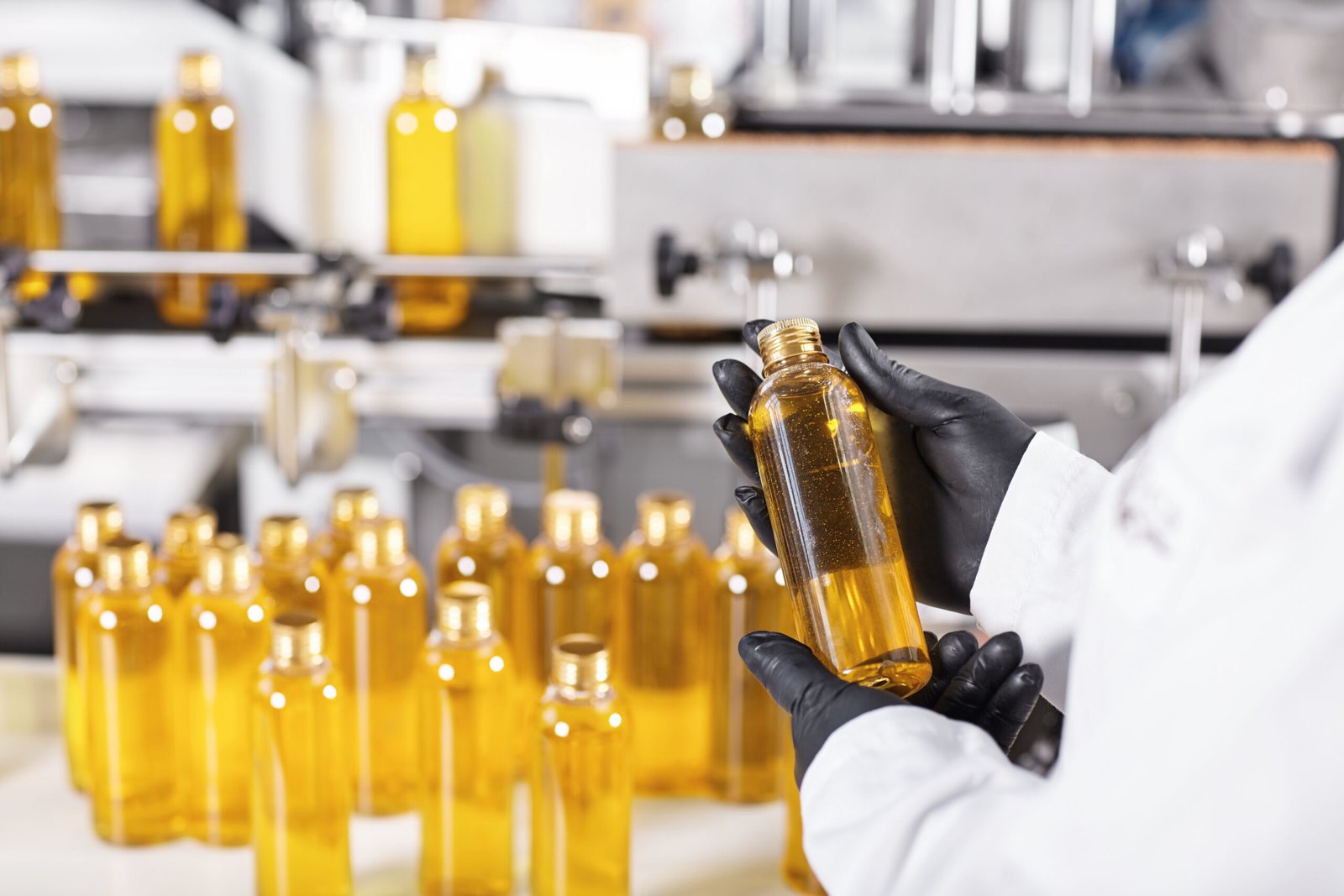
Its stated production capabilities include filling, capping and sealing, batch scaling, end-line quality checks and batch traceability. The company describes a scalable model progressing from prototype to pilot and mass production.
Global Compliance and Regulatory Support
Good Karma Wellness highlights multi-market regulatory documentation and compliance support, along with region-aligned formulation considerations such as humidity, temperature, and stability mapping.
Packaging and Product Engineering
Packaging support connects the formulation with the finished product. Material selection, container compatibility, presentation, and practical product requirements can all be considered during development.
Logistics and Export Operations
For international brands, manufacturing is only one part of the supply chain. Good Karma Wellness lists logistics and export operations among its core capabilities, supporting a broader product-development journey, an approach that reflects many of the same OEM cosmetics manufacturing benefits brands seek when choosing a manufacturing partner.
What Types of Products Can an Export-Ready Manufacturer Produce?
A capable manufacturer may support multiple personal-care categories depending on its facilities, formulation portfolio and regulatory scope.
Skincare
Skincare manufacturing can include cleansers, toners, moisturisers, masks, scrubs, serums and body-care formats. Good Karma Wellness showcases formulations involving ingredients and actives such as vitamin C, niacinamide, hyaluronic acid, salicylic acid and botanical ingredients.
Haircare
Brands may seek shampoos, conditioners, hair masks, serums and scalp-care products developed according to their desired positioning and target market.
Personal Care and Wellness
The broader portfolio can include grooming, body care, baby care and wellness-oriented personal-care products, a scope also reflected by several established cosmetic manufacturers in kerala serving similar regional demand.
Ayurvedic and Botanical Formulations
Brands seeking a combination of traditional botanical knowledge and modern formulation science can explore Ayurvedic and botanical approaches. Good Karma Wellness states that its formulation model combines this intelligence with scientific R&D.
How Does Export-Ready Cosmetic Manufacturing Work?
A clear development process helps brands understand what happens between an idea and a finished export product.
- Share the product concept: Define the product, target consumer, positioning, format and intended market.
- Formulation and R&D: Develop or adapt the formula and refine texture, fragrance, appearance and performance.
- Sample development: Review laboratory samples before proceeding to production.
- Testing and validation: Conduct relevant stability, microbial, safety and packaging-compatibility assessments.
- Packaging and labelling: Finalise packaging components and applicable market information.
- Pilot production: Validate manufacturing parameters before larger-scale production.
- Documentation and compliance: Prepare project-specific technical and export documentation.
- Commercial production: Manufacture the approved product according to defined specifications.
- Quality checks and dispatch: Complete final checks before the product enters the export supply chain.
This structured workflow is one of the practical characteristics to look for in the best export-ready cosmetic manufacturer.
How to Choose an Export-Ready Cosmetic Manufacturer
Before signing a manufacturing agreement, ask practical questions.
- Does the manufacturer have relevant certifications and documented quality systems?
- Can it develop custom formulations?
- What stability, microbial and safety testing is available?
- How is batch traceability managed?
- Can it support packaging and labelling?
- Does it understand the requirements of your destination market?
- Can production scale as your brand grows?
- Which documentation does the manufacturer provide?
- Which regulatory responsibilities remain with the brand?
These questions help distinguish a manufacturing partner with relevant systems from one that simply uses “export-ready” as a marketing phrase.
Export-Ready vs Private Label vs Third-Party Manufacturing
These terms are connected but describe different parts of the manufacturing relationship.
Private label manufacturing generally means products are manufactured for sale under a brand’s identity. Third-party or contract manufacturing describes the production relationship between the brand and manufacturer, a model also offered by several top cosmetic third-party manufacturers delhi ncr. Export-ready manufacturing refers to the capabilities and systems supporting products intended for international markets.
A brand can therefore use private-label or third-party manufacturing while also requiring export-oriented formulation, testing, documentation, packaging, and regulatory support.
Why Choose Good Karma Wellness Private Limited for Global Product Development?
Good Karma Wellness positions its manufacturing model around collaboration rather than production alone. Its stated capabilities span R&D, manufacturing, regulatory support, packaging engineering and export operations, supported by GMP certification and ISO 9001:2015.
For brands entering international markets, this integrated model can simplify coordination across product development stages. The company also describes a co-creation approach covering ideation, texture engineering, sensory refinement, and packaging guidance.
Ultimately, the best export-ready cosmetic manufacturer is not necessarily the one with the largest catalogue. It is the partner that can combine technical expertise, documented quality, regulatory awareness, scalable production and clear communication.
Frequently Asked Questions
Q1. How do I choose an export-ready cosmetic manufacturer?
Check certifications, R&D, testing, traceability, regulatory support, packaging capabilities, export experience, and production scalability before comparing costs.
Q2. Can an Indian cosmetic manufacturer support international brands?
Yes. Indian manufacturers can work with overseas brands, but their capabilities, documentation, and destination-market support should be verified for each project.
Q3. Is Good Karma Wellness an export-ready cosmetic manufacturer?
Good Karma Wellness states that it is GMP-certified, ISO 9001:2015 certified, and supports export-ready manufacturing, global compliance, and international markets including the USA, Europe, the Middle East, and Africa.
Q4. What documents are needed to export cosmetics from India?
Requirements vary by destination and product. Project documentation may include invoices, packing lists, certificates, test reports, product information, and market-specific regulatory documents.
Q5. Why is testing important for export cosmetics?
Testing helps assess product safety, stability, microbial quality, and packaging compatibility, particularly when cosmetics face different climates and distribution conditions.
Q6. Will export-ready manufacturing guarantee approval in every country?
No. Regulations differ by country and product category. A manufacturer can support compliance and documentation, but approval depends on the applicable market requirements and authorities.
Q7. What products can Good Karma Wellness manufacture?
Its stated capabilities cover skincare, haircare, personal care, baby care, and wellness-oriented products, including custom and botanical/Ayurvedic-inspired formulations.
Q8. How can I start a project with Good Karma Wellness?
Share your product concept, category, target market, timeline and required service with the Good Karma Wellness team so the project can be evaluated and the next development steps discussed.