The cosmetic manufacturing process product quality depends on every stage, from formulation and ingredient sourcing to testing, production, packaging, and quality assurance. Manufacturers that follow Good Manufacturing Practices (GMP), rigorous testing, and regulatory standards are better equipped to produce safe, effective, and consistent cosmetic products that meet consumer expectations.
The cosmetic manufacturing process product quality is determined long before a product reaches the shelf. Every step, from selecting ingredients to final quality checks, plays a role in ensuring safety and performance. At Good Karma Wellness Private Limited, we combine scientific formulation, quality-focused manufacturing, and regulatory expertise to help brands create reliable cosmetic products. Let’s explore what makes a quality-driven manufacturing process so important.
Launch Your Wellness Product with a Trusted Manufacturing Partner
Why Product Quality Begins Before Manufacturing Starts
Many people associate product quality with the finished cosmetic, but quality is established much earlier. A well-planned manufacturing process reduces risks, improves consistency, and ensures every batch performs as intended.
Before production begins, manufacturers define product goals, identify the target audience, and determine ingredient compatibility. This planning stage lays the foundation for a successful formulation while considering stability, safety, and regulatory requirements.
Research and development teams also evaluate ingredient interactions, texture, fragrance, and performance to ensure the formulation delivers the desired consumer experience. This process often involves testing active ingredient combinations cosmetics to ensure compatibility and effectiveness before moving forward.
Step-by-Step Cosmetic Manufacturing Process That Ensures Product Quality
Step 1: Product Brief and Formula Development
Every successful cosmetic product starts with a detailed product brief. This includes understanding the intended use, target consumers, desired texture, fragrance, packaging, and expected benefits.
Experienced formulation scientists then develop prototypes using carefully selected ingredients that align with the product objectives. During this stage, multiple formulations may be tested before identifying the most suitable option. Brands based in western India often work with established cosmetic manufacturers in gujarat during this early development phase.
This initial phase significantly influences the cosmetic manufacturing process product quality by ensuring the formula is both effective and stable.
Step 2: Raw Material Sourcing and Verification
High-quality products begin with high-quality ingredients.
Reliable cosmetic manufacturers work with approved suppliers who provide complete documentation, including Certificates of Analysis (CoA) and ingredient traceability records.
Incoming raw materials undergo verification before entering production to confirm their identity, purity, and quality. This reduces the likelihood of inconsistencies and helps maintain manufacturing standards throughout the process. Many brands source these verified materials through trusted cosmetics manufacturers in surat known for their reliable supply chains.
Step 3: Laboratory Testing Before Production
Before moving into commercial manufacturing, formulations undergo several laboratory evaluations.
These may include:
- Stability testing
- Compatibility testing
- Microbiological analysis
- Preservative efficacy evaluation
- Performance assessments
These studies help determine whether the formulation can maintain its quality under different storage conditions while remaining safe for consumers.
Step 4: Pilot Batch Production
Rather than immediately manufacturing large quantities, cosmetic companies often produce a pilot batch.
Pilot production allows manufacturers to evaluate:
- Mixing procedures
- Equipment performance
- Batch consistency
- Manufacturing efficiency
- Formula scalability
Any required adjustments can be made before full-scale production begins, reducing waste while improving overall product consistency. Navigating this stage effectively is one of the common challenges in cosmetic product development that brands must plan for.
Step 5: Full-Scale Manufacturing
Once the formulation has been validated, large-scale production begins.
At this stage, every parameter is carefully monitored, including:
- Mixing speed
- Temperature
- Processing time
- Ingredient sequence
- Batch records
Maintaining precise manufacturing conditions is essential because even minor variations can influence the cosmetic manufacturing process product quality, and affect the finished product’s texture, stability, or performance.
In-Process Quality Checks Keep Every Batch Consistent
Quality isn’t only checked after production—it is monitored continuously.
During manufacturing, trained quality teams perform regular inspections to evaluate important characteristics such as:
- Appearance
- Colour consistency
- pH level
- Viscosity
- Texture
- Fragrance
- Homogeneity
These routine evaluations allow manufacturers to identify any deviations early and make necessary corrections before production continues.
Continuous monitoring strengthens the cosmetic manufacturing process product quality by reducing variability between batches.
Filling, Packaging and Labelling
Even a well-formulated cosmetic product can lose its quality if packaging is not handled correctly.
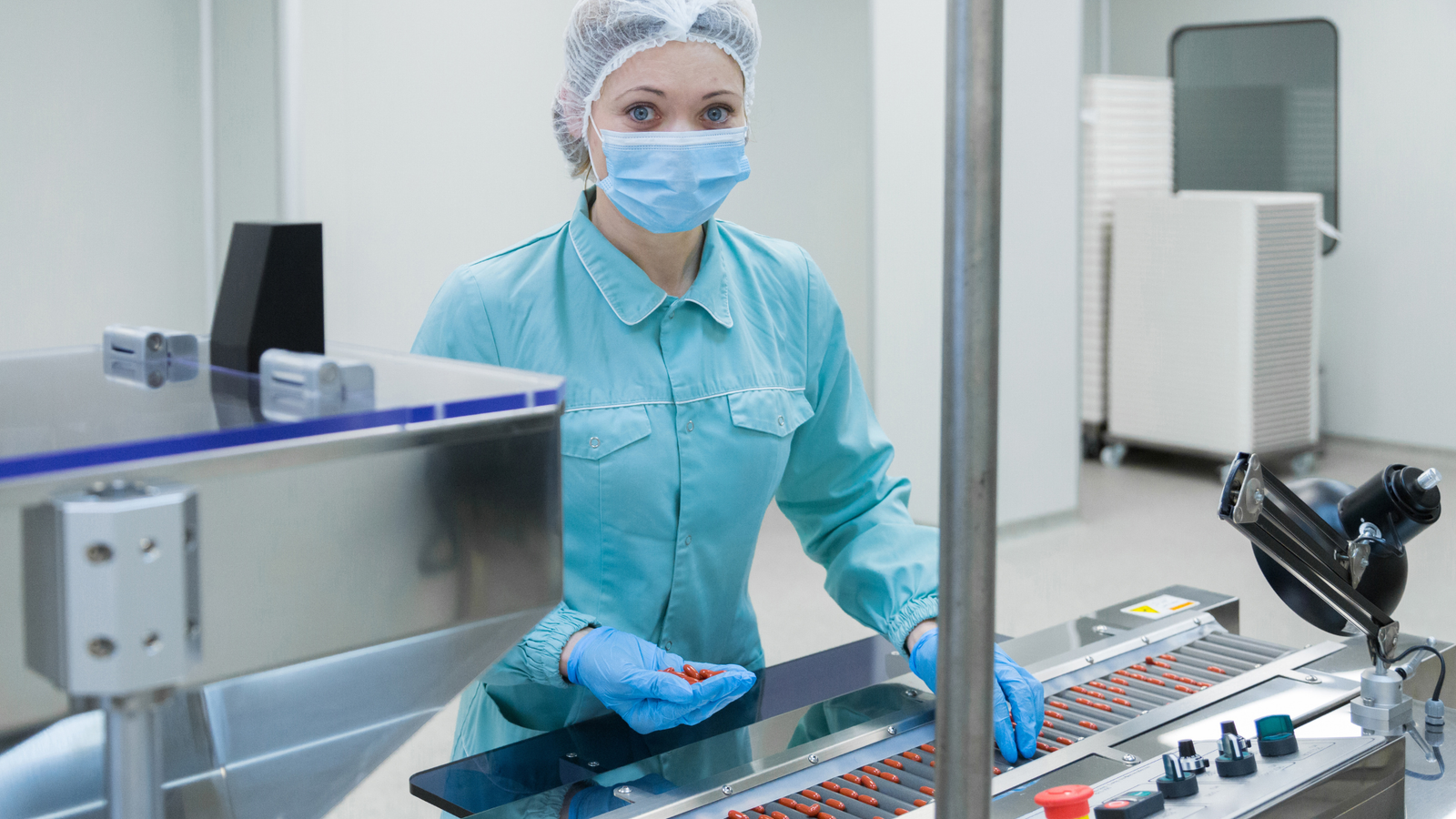
Modern filling systems operate in hygienic environments to minimise contamination while ensuring accurate filling volumes.
Packaging is selected based on factors such as:
- Product compatibility
- Consumer convenience
- Protection from light and air
- Shelf-life requirements
Labels are also verified for ingredient declarations, batch numbers, manufacturing information, and regulatory compliance before products leave the facility. Brands in southern India often rely on experienced cosmetic manufacturers in bangalore to manage this stage with precision.
Final Product Testing Before Market Release
Before distribution, finished products undergo comprehensive quality evaluation.
Testing commonly includes:
- Microbiological examination
- Physical appearance inspection
- Stability confirmation
- Packaging integrity assessment
- Performance verification
Only products that meet predefined quality specifications are approved for release.
This final review ensures the cosmetic manufacturing process product quality remains consistent from production to the consumer’s hands.
Quality Control vs Quality Assurance: Understanding the Difference
Although often used interchangeably, Quality Control (QC) and Quality Assurance (QA) have different roles.
Quality Control focuses on inspecting products through testing and measurements to identify defects before products are released.
Quality Assurance, however, focuses on preventing problems by establishing procedures, documentation, employee training, and systematic quality management throughout manufacturing.
Together, QC and QA create a comprehensive framework that supports reliable production and strengthens the cosmetic manufacturing process product quality.
Best Manufacturing Practices That Improve Product Quality
Successful cosmetic manufacturers follow internationally recognised standards that promote safety and consistency.
Some of the most important practices include:
- Following Good Manufacturing Practices (GMP)
- Maintaining documented Standard Operating Procedures (SOPs)
- Routine equipment calibration
- Clean manufacturing environments
- Employee hygiene and training
- Complete batch documentation
- Regular internal quality audits
These practices help reduce manufacturing errors while ensuring every production run meets consistent quality expectations. Many brands partnering with cosmetic manufacturers in chennai benefit from this rigorous approach to quality management.
Common Factors That Can Affect Cosmetic Product Quality
Several factors can influence product quality if they are not carefully controlled.
These include:
- Poor-quality raw materials
- Improper storage conditions
- Inconsistent manufacturing temperatures
- Inadequate stability testing
- Packaging incompatibility
- Weak documentation systems
- Lack of regulatory compliance
Managing these variables is essential for maintaining the cosmetic manufacturing process product quality throughout the product lifecycle. This becomes especially important when scaling cosmetic brand pan india, where consistency must be maintained across multiple production sites.
Why Choosing the Right Manufacturing Partner Matters
A manufacturing partner contributes far more than production capacity.
The right partner brings formulation expertise, regulatory knowledge, scalable manufacturing capabilities, and strong quality systems that help brands develop products with confidence.
At Good Karma Wellness Private Limited, quality is integrated into every stage of manufacturing. From research and formulation to ingredient verification, GMP-compliant production, rigorous testing, documentation, and regulatory support, our team works with brands to create cosmetic products that meet high standards of safety, consistency, and performance. Whether you require custom formulations, private label manufacturing, or end-to-end production support, we help transform your ideas into market-ready products backed by scientific expertise and dependable quality systems.
Conclusion
Product quality is not created during the final inspection; it is built throughout the manufacturing journey. Careful formulation, reliable ingredient sourcing, controlled production, continuous quality monitoring, and comprehensive testing all contribute to delivering cosmetic products consumers can trust. By following a structured manufacturing process and partnering with an experienced manufacturer, brands can consistently produce products that meet both regulatory expectations and customer demands.
Frequently Asked Questions
Q1. How does the cosmetic manufacturing process affect product quality?
Every stage, including formulation, ingredient sourcing, production, testing, and packaging, contributes to the overall cosmetic manufacturing process product quality, helping ensure safety, stability, and consistent performance.
Q2. How do manufacturers maintain consistency between batches?
Manufacturers use validated formulations, controlled production parameters, standard operating procedures, in-process inspections, and batch documentation to produce consistent results.
Q3. Can poor-quality ingredients affect the final cosmetic product?
Yes. Low-quality raw materials can impact product stability, safety, texture, fragrance, and overall performance, making ingredient verification essential.
Q4. Is GMP important in cosmetic manufacturing?
Yes. Good Manufacturing Practices (GMP) provide guidelines for hygienic production, quality management, documentation, and process control to help produce safe and reliable cosmetic products.
Q5. Is quality testing performed only after manufacturing?
No. Quality testing begins during formulation and continues through raw material inspection, pilot production, in-process checks, and final product evaluation.
Q6. Will stability testing improve product reliability?
Yes. Stability testing helps determine how products perform under different storage conditions and supports consistent quality throughout their intended shelf life.
Q7. What is the difference between Quality Assurance and Quality Control?
Quality Assurance focuses on preventing defects through well-designed systems and processes, while Quality Control identifies defects through inspection and testing.
Q8. Why should brands choose an experienced cosmetic manufacturing partner?
An experienced manufacturer provides formulation expertise, regulatory guidance, advanced quality systems, scalable production, and comprehensive testing, helping brands launch products with greater confidence and long-term consistency.