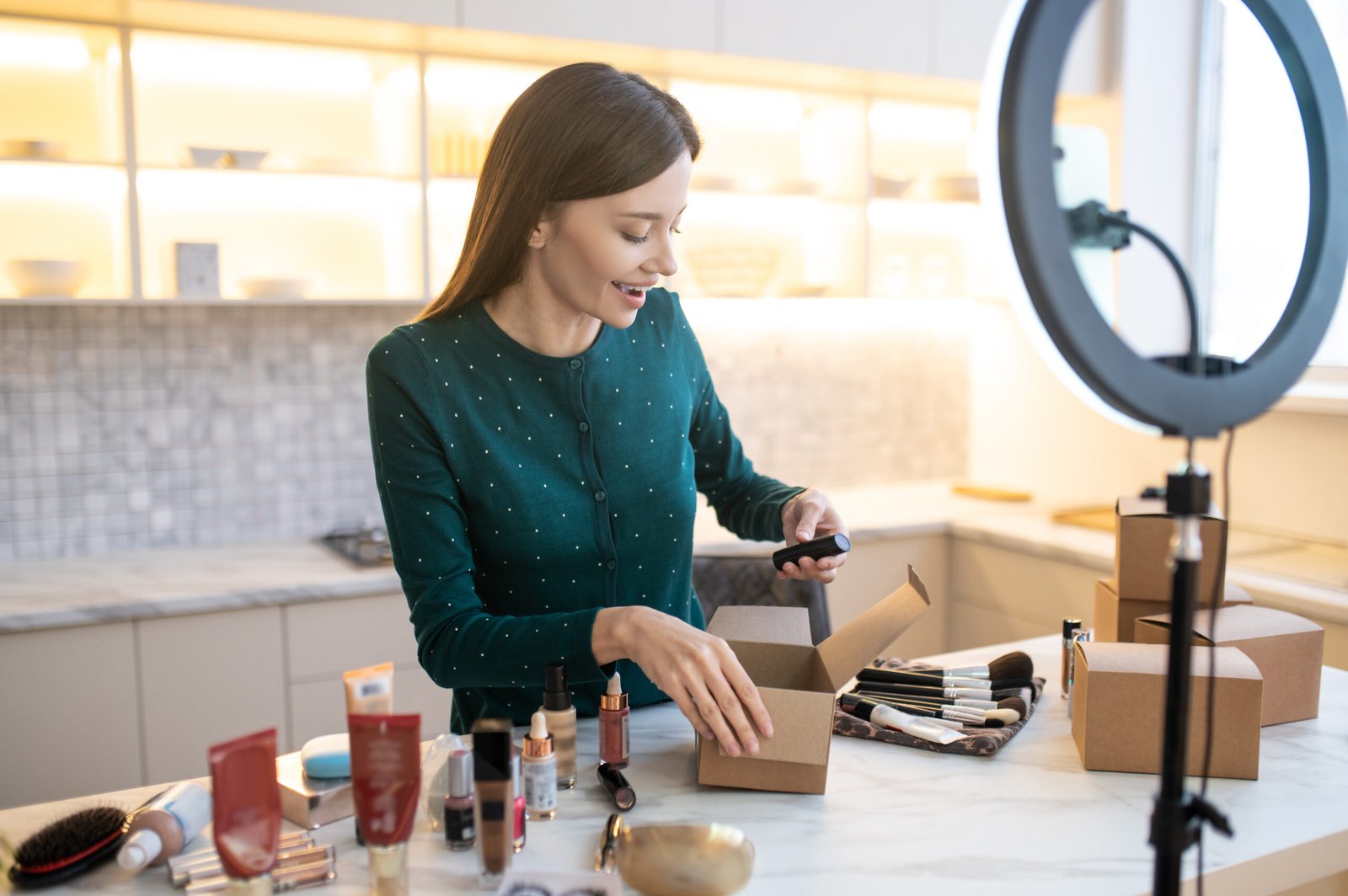
The beauty industry is changing quickly. Consumers now expect high-quality products, transparent ingredients, and fast innovation. In this environment, manufacturer-owned beauty brands have started gaining strong attention. These brands are built by companies that already have manufacturing expertise, research capabilities, and supply chain systems.
Instead of outsourcing everything, they combine manufacturing knowledge with brand strategy. This approach gives them a strong advantage in product quality, innovation, and speed.
So what exactly can other beauty brands learn from manufacturer-owned beauty brands? The answer lies in how they approach product development, quality control, innovation, and collaboration.
Understanding Manufacturer-Owned Beauty Brands
A manufacturer-owned beauty brand is created by a company that already produces cosmetics or personal care products. Instead of only manufacturing for other brands, the company also launches its own branded products.
Because they already have laboratories, formulation experts, ingredient sourcing systems, and production lines, these companies can move faster from idea to finished product.
Manufacturers play a central role in transforming beauty concepts into real products. They manage research, formulation, testing, and large-scale production while maintaining consistency and compliance.
For beauty entrepreneurs, this model highlights an important lesson: strong manufacturing foundations create stronger beauty brands.
1. Product Development Should Start with Formulation
Many beauty brands begin with marketing ideas and then search for manufacturers later. Manufacturer-owned brands do the opposite.
They start with science and formulation.
Because manufacturers already understand ingredients, textures, and product stability, they develop products that are both effective and safe. This ensures the product actually delivers results rather than just looking good in packaging.
For brands, this means product development should always begin with formulation expertise rather than marketing trends.
Companies like Good Karma Wellness Private Limited follow a similar approach by building products through research, responsibility, and scientific precision before they reach production.
2. Quality Control Builds Long-Term Trust
- Consumers today care deeply about product safety, ingredient transparency, and consistency.
- Manufacturer-owned brands have strong quality control because they manage the entire production process, from ingredient sourcing to packaging. This allows them to maintain consistent product performance across batches.
- In contrast, brands that rely heavily on multiple suppliers may struggle with inconsistent quality.
- Manufacturing-driven brands understand regulatory standards, testing requirements, and stability checks. This knowledge helps them maintain global quality standards.
- For emerging beauty brands, the lesson is simple: quality control is not optional, it is the foundation of long-term brand trust.
3. Faster Innovation and Product Launches
- Speed matters in the beauty industry. Trends change quickly, and consumers expect brands to launch new products frequently.
- Manufacturer-owned brands have a clear advantage here because they already have research teams, laboratories, and testing facilities.
- Working with experienced manufacturers also reduces the time required to develop new formulations and bring products to market.
- This means brands can respond faster to consumer needs, new ingredients, and emerging skincare trends.
- For brands that do not own manufacturing units, partnering with a capable manufacturer can provide the same advantage.
4. Better Control Over Ingredients and Sustainability
- Modern beauty consumers are highly aware of ingredients. Clean beauty, ethical sourcing, and sustainability are no longer optional.
- Manufacturer-owned brands usually have direct relationships with raw material suppliers. This allows them to ensure ingredient quality, safety, and sustainability.
- They can also experiment with natural extracts, innovative actives, and eco-friendly formulations.
- Manufacturers focused on conscious formulation and ethical practices help brands meet the rising demand for sustainable beauty products.
- Brands that prioritize ingredient transparency will always build stronger consumer loyalty.
5. Scalability Becomes Easier
- When a beauty brand grows quickly, production challenges often appear.
- Limited manufacturing capacity can delay product launches, increase costs, or create supply issues.
- Manufacturer-owned brands rarely face these problems because they already have scalable production systems.
- Similarly, private-label manufacturing partnerships allow brands to expand their product lines without investing heavily in factories or equipment.
- For new brands, scalability planning is essential from the beginning.
6. Collaboration Between Brand Vision and Technical Expertise
- One of the biggest advantages of manufacturer-owned brands is collaboration between creative teams and technical experts.
- Marketing teams understand consumer needs, while formulation experts understand ingredients and product performance.
- When both work together, the result is a well-balanced beauty product that performs well and appeals to customers.
- This collaborative model is also the foundation of modern contract manufacturing partnerships.
- Manufacturers today do much more than production, they support formulation, packaging, compliance, and product innovation.
7. Market Knowledge Comes from Manufacturing Experience
- Manufacturers work with multiple brands and product categories. Because of this, they often have deep knowledge of market trends.
- They know which ingredients are popular, which formulations work best, and which packaging designs perform well in the market.
- This insight helps manufacturer-owned brands stay ahead of trends.
- For emerging beauty brands, learning from experienced manufacturers can significantly reduce costly mistakes.
The Role of Strategic Manufacturing Partnerships
For most beauty startups, owning a manufacturing facility is not practical.
However, working with an experienced manufacturing partner can provide many of the same advantages as manufacturer-owned brands.
A capable manufacturing partner helps with:
- Product formulation and R&D
- Ingredient sourcing
- Quality testing
- Compliance and certifications
- Scalable production
Manufacturers essentially transform ideas into market-ready beauty products while ensuring consistency and performance.
This is why many successful beauty brands today are built through strong manufacturing partnerships.
Why This Matters for the Future of Beauty Brands
The beauty industry is moving toward science-driven products, ingredient transparency, and sustainable innovation.
Brands that rely only on marketing will struggle to compete.
Instead, the future belongs to brands that combine:
- Scientific formulation
- Responsible manufacturing
- Consumer-focused innovation
Manufacturer-owned brands demonstrate how powerful this combination can be.
They prove that strong manufacturing knowledge is one of the most valuable assets in the beauty industry.
Build Your Beauty Brand with the Right Manufacturing Partner
If you want to build a beauty or personal care brand that stands out in quality, innovation, and reliability, choosing the right manufacturing partner is critical.
Good Karma Wellness Private Limited is a GMP-certified, ISO 9001:2015, and FDA-approved third-party manufacturer dedicated to creating safe, sustainable, and high-performance personal care and wellness products for global brands.
Built on science and inspired by purpose, the company supports brands from product concept and formulation to scalable production, helping turn innovative ideas into market-ready beauty products.
Whether you are launching a new skincare line or expanding your wellness portfolio, partnering with Good Karma Wellness ensures your products are crafted with precision, compliance, and innovation.
Start your product journey with Good Karma Wellness Private Limited and bring your beauty brand vision to life with expert manufacturing support.
FAQs
Q1. What is a manufacturer-owned beauty brand?
A manufacturer-owned beauty brand is a brand created by a company that already produces cosmetics or personal care products. The manufacturer controls formulation, production, and product development.
Q2. Why are manufacturer-owned brands often more reliable?
They manage the full production process, which allows them to maintain strict quality control, ingredient transparency, and consistent product performance.
Q3. How do manufacturers help beauty brands launch products faster?
Manufacturers already have laboratories, equipment, and expert chemists, which reduces development time and speeds up product launches.
Q4. Can small beauty brands work with manufacturers?
Yes. Many startups collaborate with private-label or contract manufacturers to create products without owning a factory.
Q5. What is private-label cosmetic manufacturing?
Private-label manufacturing allows companies to sell beauty products under their own brand name while a manufacturer handles formulation and production.
Q6. How do manufacturers support product innovation?
Manufacturers conduct research, develop new formulations, test ingredients, and create prototypes that help brands innovate faster.
Q7. Why is manufacturing expertise important in beauty?
Beauty products require stable formulations, safe ingredients, and regulatory compliance. Manufacturers provide the scientific knowledge needed to achieve this.
Q8. How can brands choose the right manufacturing partner?
Brands should look for manufacturers with strong R&D capabilities, certifications, transparent ingredient sourcing, and scalable production facilities.