
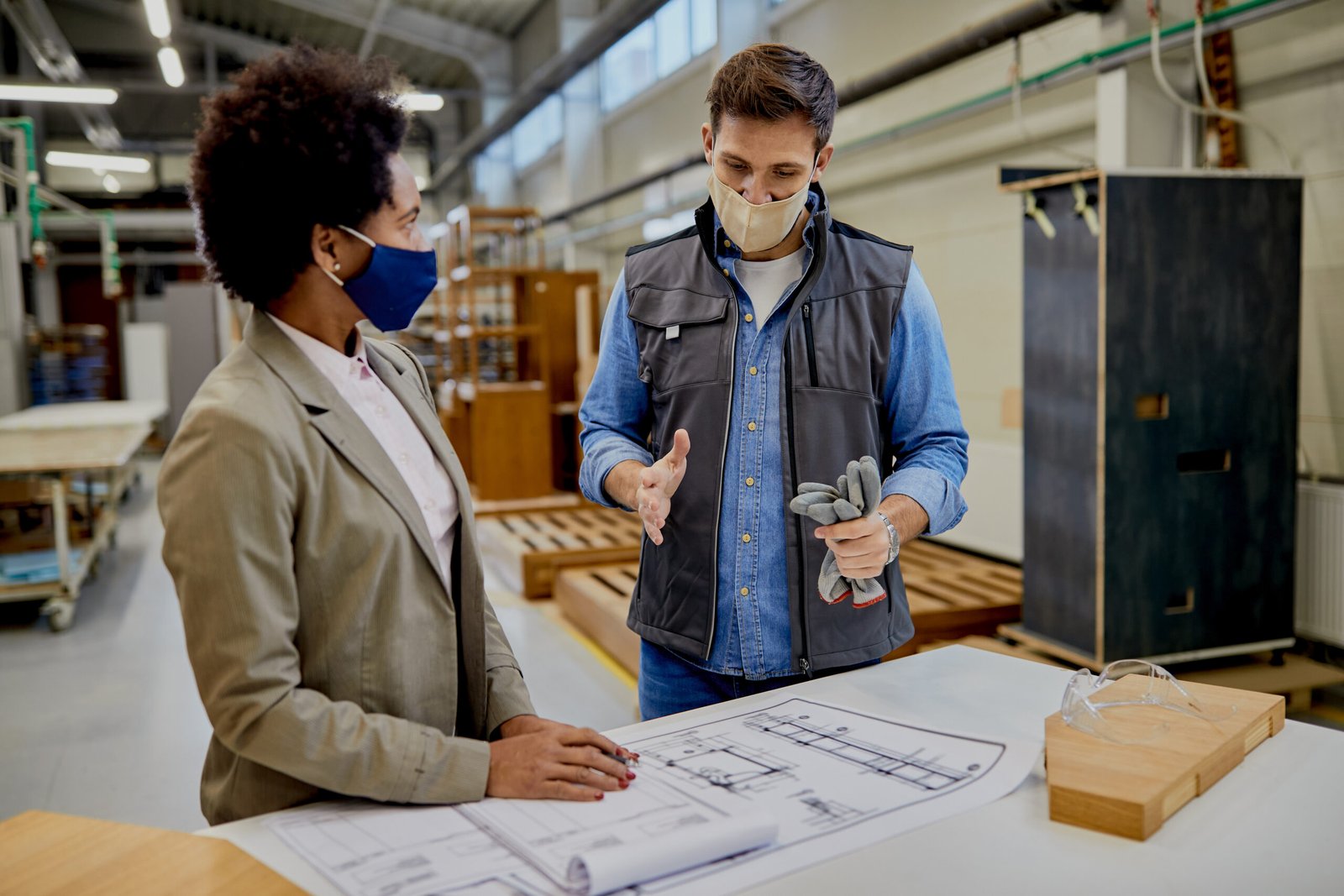
In manufacturing, quality is not only about machines, formulas, or raw materials. It is also about understanding the brand behind the product. When manufacturers have direct in-house brand experience, they gain a deeper understanding of product goals, consumer expectations, and long-term brand positioning. For Good Karma Wellness Private Limited, this experience also comes from its own in-house brand, Wildflower Naturals, giving the team practical insight into both brand development and manufacturing.
This close connection between brand and manufacturing leads to better product consistency, stronger quality control, faster innovation, and more reliable production processes. Instead of simply producing items based on external instructions, manufacturers become active partners in building the brand.
Companies that follow this integrated approach often deliver higher-quality products because their teams understand every stage of the product journey, from formulation to final packaging. For example, wellness and personal care manufacturers that combine scientific research, compliance standards, and collaborative product development can maintain consistent quality while supporting brand growth, a hallmark shared by many established beauty product manufacturers.
In this article, we will explore how in-house brand experience improves manufacturing quality and why it has become a key strategy for modern manufacturing companies.
What Is In-House Brand Experience in Manufacturing?
In-house brand experience refers to a manufacturing model where the product brand, development process, and production team work closely together within the same ecosystem, a structure common among established third party cosmetic manufacturers.
Good Karma Wellness Private Limited’s in-house brand, Wildflower Naturals, provides additional experience of developing and managing products from a brand perspective. This helps connect consumer expectations with formulation, product development, and manufacturing considerations.
Instead of receiving only finished product specifications, the manufacturer understands:
- The brand’s vision and target audience
- Product positioning and market expectations
- Ingredient philosophy and formulation goals
- Packaging and sustainability requirements
This allows manufacturers to design production processes that support both quality and brand consistency.
When a manufacturer understands the brand deeply, every step, from research to packaging, supports the same goal: delivering a reliable, high-performance product.
Stronger Quality Control Through Direct Collaboration
One of the biggest advantages of in-house brand experience is stronger quality control.
When product development and manufacturing teams collaborate closely, it becomes easier to maintain strict quality standards. Issues can be identified earlier and corrected faster.
This improves:
- Ingredient verification
- Batch consistency
- Testing and validation
- Compliance with regulatory standards
Manufacturers that follow structured processes, such as GMP-certified systems and ISO-based quality frameworks, can maintain high product standards across every production cycle.
As a result, brands receive products that meet safety, performance, and reliability expectations.
How Brand Experience Creates Better Formulations
Having experience with an own consumer brand can give manufacturers a clearer understanding of how formulation choices affect the final customer experience. With Wildflower Naturals, Good Karma Wellness can view product development from both manufacturing and brand perspectives.
Consumer feedback and market observations can also provide useful insights for R&D, helping teams identify opportunities to refine ingredients, textures, performance, or overall product experience. This creates a practical feedback loop between consumers, brand experience, formulation, and R&D.
Faster Product Development and Innovation
Innovation is critical in industries such as skincare, cosmetics, and wellness. Consumers expect products that are effective, safe, and aligned with modern lifestyle needs.
In-house brand experience accelerates innovation because the teams responsible for research, formulation, and manufacturing work together.
This allows companies to:
- Test new formulations quickly
- Adjust ingredients based on feedback
- Improve product performance through iterative development
- Launch products faster
Manufacturers that begin product development with research, responsibility, and precision can transform ideas into scalable products more efficiently.
This approach helps brands stay competitive in rapidly evolving markets.
Better Understanding of Consumer Expectations
When manufacturing teams understand the brand’s target audience, they can make better decisions during production.
For example, a wellness brand may prioritize:
- Clean formulations
- Sustainable ingredients
- Ethical sourcing
- Skin-safe formulations
Manufacturers who understand these priorities can ensure that product development aligns with the brand’s identity.
This reduces the risk of:
- Ingredient mismatches
- Quality compromises
- Brand reputation issues
Ultimately, in-house brand experience ensures that manufacturing decisions always support the end customer, which naturally raises the question: do manufacturers also run their own clean beauty brands?
Improved Product Consistency
Consistency is one of the most important indicators of manufacturing quality.
Customers expect the same experience every time they purchase a product. If a product varies between batches, trust in the brand can decline quickly.
When brand development and manufacturing teams collaborate closely, they can create detailed production systems that maintain:
- Consistent formulations
- Stable ingredient sourcing
- Standardized production processes
- Reliable product performance
This level of control ensures that every batch meets the same quality standards.
Better Compliance and Global Standards
Manufacturing quality is closely connected to regulatory compliance.
Products must meet safety standards, documentation requirements, and quality certifications. This is particularly important for industries like cosmetics and personal care.
In-house brand experience allows manufacturers to build compliance into the production process from the beginning.
This includes:
- Ingredient safety checks
- Stability testing
- Documentation and regulatory approvals
- Export-ready manufacturing processes
Manufacturers that follow globally recognized certifications such as GMP and ISO standards ensure that products are compliant and ready for international markets.
This protects both the brand and the consumer.
Stronger Brand–Manufacturer Partnerships
Traditional manufacturing often treats brands and manufacturers as separate entities. However, modern manufacturing works best when both sides collaborate closely.
In-house brand experience encourages long-term partnerships where manufacturers contribute not only to production but also to:
- Product design
- Formulation improvements
- Packaging innovation
- Sustainability initiatives
This collaborative approach helps brands grow faster while maintaining consistent product quality.
Manufacturers that position themselves as innovation partners rather than just production facilities can support brands from concept to market launch, and exploring what can brands learn from manufacturer-owned beauty brands? offers useful insight into this approach.
Manufacturer Without a Brand vs Manufacturer With Its Own Brand
The difference can be understood through the product-development perspective:
|
Manufacturer Without Its Own Consumer Brand |
Manufacturer With Its Own Brand Experience |
|
Primarily works from client specifications |
Can combine client specifications with consumer-facing brand experience |
|
Focuses mainly on production requirements |
Considers formulation, performance, sensorial experience, and brand expectations together |
|
Consumer feedback may reach the manufacturer indirectly |
Consumer insights can create an additional feedback loop for R&D and product development |
|
Market experience may be limited to manufacturing projects |
Own-brand experience provides direct exposure to consumer and market expectations |
|
Product decisions are largely project-specific |
Product development can benefit from broader formulation and brand experience |
Greater Flexibility and Scalability
Another major advantage of in-house brand experience is flexibility.
Manufacturers who understand the brand’s goals can quickly adapt to changes such as:
- Product reformulations
- Market demand shifts
- Ingredient innovations
- New product launches
This flexibility allows brands to scale production without sacrificing quality.
Manufacturers that combine scientific expertise with collaborative production systems can support both small batches and large-scale manufacturing, a flexibility also valued by brands exploring private label cosmetic manufacturers.
Why This Approach Matters in Wellness and Personal Care Manufacturing
In industries such as skincare, cosmetics, and wellness products, quality and safety are critical.
Consumers today expect products that are:
- Clean and effective
- Scientifically developed
- Ethically produced
- Safe for daily use
Manufacturers that integrate brand understanding into their production systems are better equipped to meet these expectations.
By combining research, responsible sourcing, and structured manufacturing processes, companies can deliver high-performance products that support brand credibility and consumer trust.
Build Your Brand with a Trusted Manufacturing Partner
At Good Karma Wellness Private Limited, we believe manufacturing is more than production; it is about bringing brand visions to life with precision, science, and purpose.
As a GMP-certified and ISO-compliant third-party manufacturer, our team works closely with brands to develop clean, high-performance wellness and personal care products. From research and formulation to compliance and scalable production, we support every stage of the product journey.
If you are looking to transform your product idea into a globally compliant, retail-ready wellness product, connect with the experts at Good Karma Wellness Private Limited and start building a brand that stands for quality, innovation, and conscious manufacturing.
Conclusion
In-house brand experience plays a major role in improving manufacturing quality. When manufacturers deeply understand the brand vision, they can design production systems that support consistency, innovation, compliance, and customer expectations.
Good Karma Wellness Private Limited’s experience with its in-house brand, Wildflower Naturals, adds a consumer-facing perspective to its understanding of product development and manufacturing. Combined with R&D and quality processes, this experience can help create a stronger connection between consumer needs and product development.
This approach strengthens collaboration between brands and manufacturers, allowing them to create products that meet modern market standards.
As industries continue to evolve, manufacturers that combine scientific expertise, responsible production practices, and close brand collaboration will lead the future of high-quality manufacturing.
Frequently Asked Questions
Q1. What is in-house brand experience in manufacturing?
In-house brand experience means that manufacturers work closely with brands during product development, formulation, and production. This ensures the final product aligns with the brand’s vision and quality expectations.
Q2. How does in-house collaboration improve product quality?
It improves quality by enabling better communication, faster problem solving, and stronger quality control across all stages of production.
Q3. Why is quality control important in manufacturing?
Quality control ensures products are safe, consistent, and reliable. It also helps companies meet regulatory requirements and maintain customer trust.
Q4. Does in-house experience speed up product development?
Yes. When formulation, testing, and production teams work together, products can be developed, tested, and improved more quickly.
Q5. How does in-house experience support innovation?
Manufacturers can experiment with new ingredients, formulations, and processes more efficiently when they are closely connected to the brand strategy.
Q6. Can in-house manufacturing improve product consistency?
Yes. Standardized processes and close monitoring ensure that each production batch maintains the same quality and performance.
Q7. Why is compliance important in wellness manufacturing?
Compliance ensures that products meet safety regulations, certification requirements, and international standards for consumer use.
Q8. What industries benefit most from in-house brand manufacturing?
Industries like cosmetics, skincare, wellness, pharmaceuticals, and personal care benefit the most because these sectors require strict quality control and innovation.