A third-party manufacturing strategy for cosmetic brands helps businesses develop, manufacture, and launch high-quality beauty products without investing in their own production facilities. By partnering with an experienced manufacturer, brands can reduce costs, maintain quality, accelerate product launches, and focus on marketing and business growth while ensuring regulatory compliance.
A third-party manufacturing strategy for cosmetic brands is one of the smartest ways to launch or expand a beauty business without the challenges of setting up a manufacturing unit. By collaborating with an experienced manufacturing partner like Good Karma Wellness Private Limited, brands gain access to formulation expertise, quality production, and scalable manufacturing solutions, allowing them to focus on building a successful brand. But what makes this strategy so effective? Let’s explore.
What Is Third-Party Manufacturing in the Cosmetic Industry?
Third-party manufacturing is a business model where a cosmetic brand partners with an established manufacturer to develop and produce products under its own brand name. Instead of investing in machinery, infrastructure, and production teams, businesses rely on manufacturers with specialised expertise and certified facilities.
This approach enables startups, established brands, salons, wellness businesses, and retailers to introduce skincare, haircare, personal care, and beauty products efficiently while maintaining complete ownership of their brand identity. Businesses exploring this route often begin by researching a reliable cosmetic products manufacturer in india to understand available options.
Understanding the Business Model
In a typical third-party manufacturing arrangement, the brand defines its product vision, while the manufacturing partner handles formulation, production, quality testing, packaging support, and regulatory processes.
Depending on business goals, manufacturers may offer:
- Custom product development
- Private label solutions
- Contract manufacturing
- Packaging and labelling support
- Regulatory documentation
- Quality assurance and testing
The result is a streamlined process that allows businesses to bring products to market faster with reduced operational complexity.
Why It Has Become the Preferred Growth Strategy
The Indian beauty and personal care industry continues to grow rapidly, with consumers seeking innovative, high-quality products. Rather than building costly production facilities, many brands choose a third-party manufacturing strategy for cosmetic brands to remain agile and competitive.
Key advantages include:
- Lower initial investment
- Faster product launches
- Access to experienced formulation experts
- Consistent manufacturing quality
- Easier production scalability
- Reduced operational responsibilities
This model allows brands to dedicate more resources to branding, customer engagement, and market expansion.
Why Every Modern Cosmetic Brand Needs a Third-Party Manufacturing Strategy
Launching a cosmetic brand involves much more than creating an attractive product. Success depends on delivering consistent quality, complying with regulations, and responding quickly to changing market trends. A well-planned third-party manufacturing strategy for cosmetic brands supports all these objectives.
Faster Product Launches
Experienced manufacturers already have production facilities, technical teams, and established workflows in place. This significantly reduces the time required to move from concept to commercial production, helping brands respond quickly to consumer demand.
Reduced Capital Investment
Setting up a manufacturing unit requires substantial investment in equipment, production space, compliance, and skilled personnel. Third-party manufacturing removes these barriers, allowing businesses to allocate resources towards product development, branding, and sales. Brands in western India often look into cosmetic manufacturers in pune as a cost-effective way to get started.
Access to Advanced Manufacturing Facilities
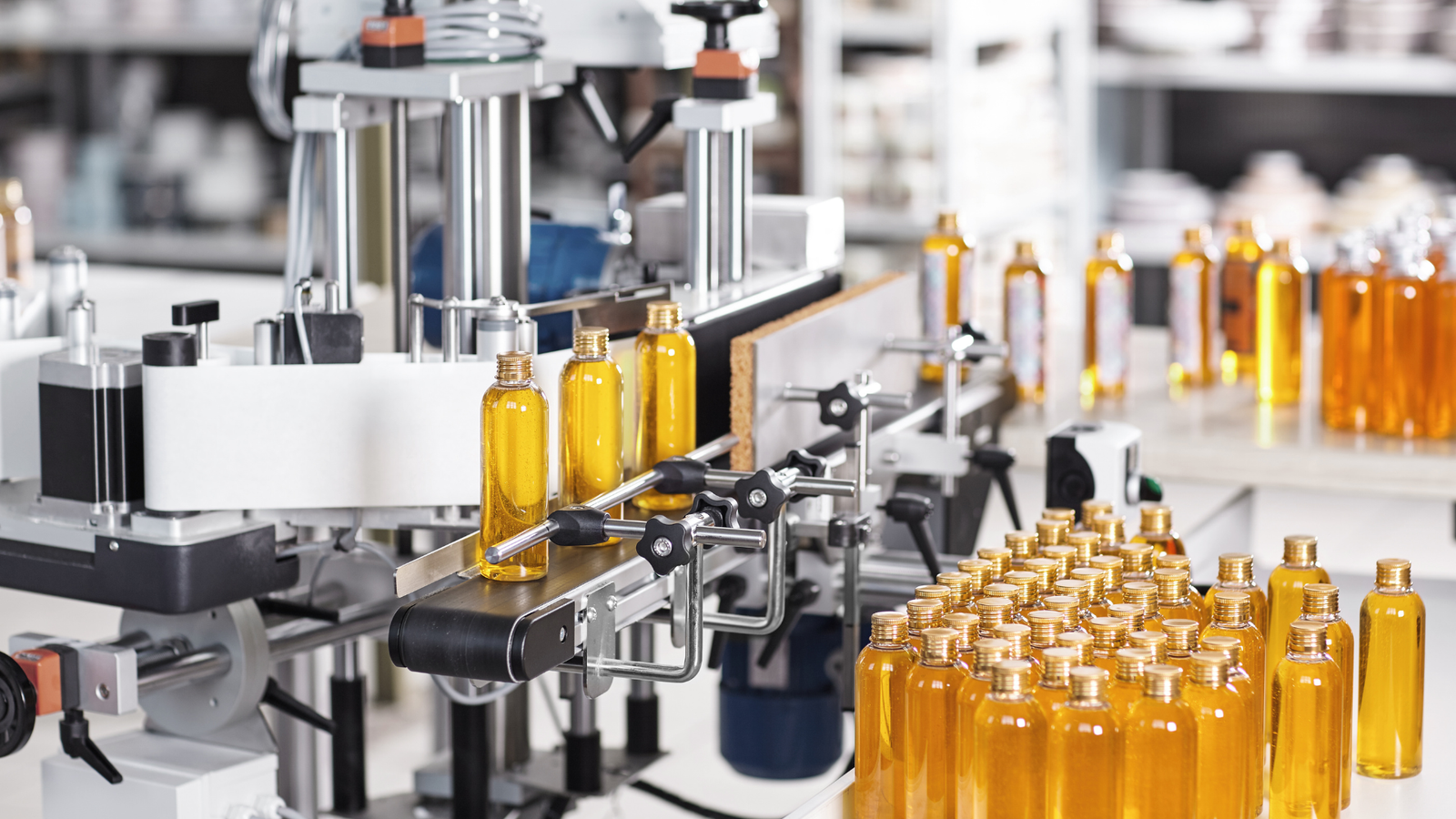
Professional manufacturers operate modern production units designed to meet industry standards. Brands benefit from advanced equipment, controlled production environments, and efficient manufacturing processes without owning the infrastructure themselves.
Regulatory Compliance Made Easier
Cosmetic manufacturing involves adherence to various quality and regulatory requirements. Working with an experienced manufacturing partner helps ensure documentation, ingredient compliance, product testing, and manufacturing standards are properly managed throughout the production process.
Consistent Product Quality
Consistency builds customer trust. Established manufacturers follow defined quality control procedures, batch testing protocols, and production standards to help maintain reliable product performance across every production cycle.
Ability to Scale Production
As demand grows, brands need manufacturing partners capable of increasing production volumes without compromising quality. A scalable manufacturing setup supports business growth while maintaining consistency.
Focus More on Marketing and Brand Building
Outsourcing production enables businesses to concentrate on activities that directly influence growth, including digital marketing, customer acquisition, retail expansion, and product innovation.
Step-by-Step Third-Party Manufacturing Process for Cosmetic Brands
Understanding the production journey helps businesses plan effectively and collaborate more efficiently with their manufacturing partner.
Step 1 – Define Your Brand Vision
Every successful product begins with a clear vision. Brands should identify:
- Target customers
- Product category
- Ingredient preferences
- Pricing strategy
- Brand positioning
- Market objectives
These decisions guide the entire manufacturing process.
Step 2 – Choose the Right Manufacturing Partner
Selecting an experienced manufacturer is one of the most important decisions in developing a successful third-party manufacturing strategy for cosmetic brands. Evaluate manufacturers based on their technical expertise, production capabilities, certifications, research facilities, and commitment to quality.
A collaborative partner should understand your business goals while offering practical guidance throughout product development.
Step 3 – Product Formulation and Research
Once requirements are finalised, formulation experts begin developing products that align with the brand’s objectives. This stage may involve ingredient selection, texture optimisation, fragrance development, stability evaluation, and performance testing. Brands working on more complex products often benefit from expertise in multi-ingredient cosmetic formulation at this stage.
Research and development play a vital role in creating products that meet both consumer expectations and regulatory standards.
Step 4 – Sample Development and Testing
Prototype samples allow brands to evaluate the product before large-scale production. Texture, fragrance, appearance, performance, and overall user experience are assessed, with revisions made if required.
This stage ensures confidence before commercial manufacturing begins.
Step 5 – Packaging Design and Material Selection
Packaging contributes significantly to product appeal and functionality. Manufacturers often assist with selecting suitable containers, closures, labels, cartons, and secondary packaging while ensuring compatibility with the product formulation. Brands in central India frequently collaborate with experienced cosmetic manufacturers in indore for this kind of packaging support.
Well-designed packaging also supports transportation, storage, and shelf presentation.
Step 6 – Regulatory Documentation and Compliance
Before production, necessary documentation, product specifications, and manufacturing records are prepared according to applicable cosmetic regulations. Maintaining compliance throughout the process helps ensure product quality and consumer confidence.
Step 7 – Bulk Manufacturing
After sample approval, production moves to commercial-scale manufacturing using validated processes and carefully monitored production parameters. Strict quality checks are conducted at every stage to maintain consistency across batches.
Step 8 – Quality Testing and Batch Approval
Finished products undergo comprehensive quality assessments, including physical evaluation, stability verification, microbiological testing where applicable, and packaging inspections before final approval.
Only products meeting defined quality standards proceed to packaging and distribution.
Step 9 – Packaging, Labelling and Dispatch
Following approval, products are filled, labelled, packed, and prepared for dispatch according to the brand’s specifications. Efficient logistics planning ensures products reach distributors, retailers, or warehouses safely and on schedule.
Through a carefully planned third-party manufacturing strategy for cosmetic brands, businesses can introduce high-quality products to the market efficiently while focusing on strengthening their brand presence and delivering value to customers.
How to Choose the Right Third-Party Cosmetic Manufacturer
Choosing the right manufacturing partner can have a lasting impact on your brand’s reputation, product quality, and business growth. While cost is important, it should never be the only deciding factor.
Look for Manufacturing Certifications
A reliable manufacturer should operate in certified facilities that follow recognised quality and safety standards. Certifications such as GMP and ISO reflect a commitment to consistent manufacturing practices and quality management. When shortlisting partners, many brands review certified cosmetic manufacturers in kerala to ensure these standards are met.
Evaluate Research and Development Capabilities
Innovation is essential in the beauty industry. Choose a manufacturer with an experienced R&D team that can develop custom formulations, improve existing products, and stay updated with emerging ingredient trends.
Assess Quality Control Systems
Every batch should undergo rigorous quality checks before reaching the market. Ask about raw material testing, in-process inspections, finished product evaluation, and batch documentation.
Check Product Categories
Some manufacturers specialise in skincare, while others offer expertise in haircare, personal care, wellness, or cosmetic formulations. Ensure they have experience in your product category. Brands developing gentle formulations should also look into private label baby cosmetics benefits before finalising a partner.
Review Packaging Support
Packaging influences both product protection and customer perception. A manufacturing partner that offers packaging guidance can simplify product development and improve market readiness.
Consider Production Capacity
Your manufacturing partner should be able to grow with your business. Whether you’re launching a small batch or planning nationwide distribution, scalable production capabilities are essential. Many brands in northern India explore cosmetic manufacturers in jaipur for this kind of scalable support.
Key Factors That Make a Third-Party Manufacturing Strategy Successful
A successful third-party manufacturing strategy for cosmetic brands goes beyond production. It requires planning, communication, and a long-term partnership.
Start with Thorough Market Research
Understand what your customers are looking for before developing products. Market insights help create products that meet real consumer needs.
Focus on High-Quality Ingredients
Consumers today expect safe, effective, and thoughtfully formulated products. Choosing quality ingredients supports better product performance and customer satisfaction.
Create Products That Stand Out
The cosmetic market is competitive. Unique formulations, innovative textures, and distinctive packaging can help your brand attract attention. Understanding OEM cosmetics manufacturing benefits can also help brands stand out while keeping production efficient.
Maintain Clear Communication
Regular communication between the brand and manufacturer reduces misunderstandings and keeps product development on track.
Think Beyond the First Product
Choose a manufacturing partner who can support future product launches and business expansion as your brand grows.
Why India Is Emerging as a Global Hub for Cosmetic Manufacturing
India has become one of the fastest-growing destinations for cosmetic manufacturing. The combination of technical expertise, modern facilities, and competitive production costs makes it an attractive choice for beauty brands worldwide.
Several factors contribute to this growth.
Skilled Manufacturing Professionals
India has a strong pool of cosmetic scientists, formulation experts, and manufacturing specialists who support product innovation.
Advanced Manufacturing Infrastructure
Many manufacturers now operate modern production facilities equipped with automated machinery and quality control systems.
Cost-Effective Production
Brands can achieve high manufacturing standards while optimising production costs, making it easier to remain competitive.
Growing Demand for Beauty Products
The expanding domestic and international beauty market continues to create opportunities for cosmetic brands launching new products.
Why Partner with Good Karma Wellness Private Limited?
An effective third-party manufacturing strategy for cosmetic brands depends on selecting a manufacturing partner that values quality, innovation, and long-term collaboration.
Good Karma Wellness Private Limited offers end-to-end manufacturing support for businesses looking to develop premium skincare, haircare, and personal care products.
Science-Led Product Development
Every product begins with research and formulation expertise. The team focuses on developing products that align with market trends while maintaining quality and performance.
Comprehensive Manufacturing Support
From concept development to commercial production, Good Karma Wellness Private Limited provides support throughout the manufacturing journey.
Services include:
- Custom formulation
- Product development
- Manufacturing
- Packaging support
- Quality testing
- Regulatory guidance
Focus on Quality
Every stage of production follows structured quality processes designed to ensure consistency across batches.
Scalable Manufacturing Solutions
Whether you’re introducing your first product or expanding an established portfolio, the manufacturing process is designed to support different production requirements.
Conclusion
A well-planned third-party manufacturing strategy for cosmetic brands helps businesses reduce investment risks, improve efficiency, and bring products to market faster. With the right manufacturing partner, brands can focus on innovation, customer experience, and long-term growth while maintaining consistent product quality.
As consumer expectations continue to evolve, choosing an experienced manufacturing company becomes an important business decision rather than simply an operational one.
Ready to Build Your Cosmetic Brand?
Whether you’re launching a new beauty brand or expanding your existing product range, Good Karma Wellness Private Limited can help turn your ideas into market-ready products. With expertise in formulation, manufacturing, quality assurance, packaging support, and scalable production, the team works closely with brands at every stage of product development.
Partner with Good Karma Wellness Private Limited today and build your cosmetic brand with confidence through reliable, high-quality manufacturing solutions.
Frequently Asked Questions
Q1. What is a third-party manufacturing strategy for cosmetic brands?
A third-party manufacturing strategy for cosmetic brands involves partnering with an experienced manufacturer to develop and produce cosmetic products under your own brand name, allowing you to focus on branding, marketing, and business growth.
Q2. Why do cosmetic brands choose third-party manufacturing?
Brands choose third-party manufacturing because it reduces infrastructure costs, speeds up product launches, provides access to manufacturing expertise, and allows businesses to scale production more efficiently.
Q3. How does third-party cosmetic manufacturing work?
The process typically includes product planning, formulation, sample approval, packaging selection, regulatory documentation, commercial manufacturing, quality testing, and final product dispatch.
Q4. How do I choose the right cosmetic manufacturing partner?
Look for manufacturers with industry certifications, strong R&D capabilities, quality control systems, transparent communication, scalable production capacity, and experience in your product category.
Q5. Can startups use third-party cosmetic manufacturing?
Yes. Third-party manufacturing is an excellent option for startups because it eliminates the need for significant investment in production facilities while providing access to professional manufacturing expertise.
Q6. Is third-party manufacturing suitable for premium cosmetic brands?
Yes. Many premium skincare and beauty brands rely on experienced third-party manufacturers to maintain product quality, develop innovative formulations, and ensure consistent production standards.
Q7. Will third-party manufacturing affect product quality?
Not when you choose a reputable manufacturing partner. Established manufacturers follow strict quality control procedures, testing protocols, and standardised production processes to ensure consistency.
Q8. Can a third-party manufacturer help with custom formulations and packaging?
Yes. Many manufacturers offer end-to-end support, including custom formulation development, packaging recommendations, regulatory assistance, quality testing, and production under your brand identity.