How to choose safe baby care products starts with selecting gentle, dermatologically tested formulations made with skin-friendly ingredients, checking product labels, avoiding harsh chemicals, and choosing trusted manufacturers that follow strict quality and safety standards. A thoughtful approach helps protect your baby’s delicate skin while giving you confidence in every purchase.
If you’re wondering how to choose safe baby care products, begin by understanding your baby’s unique skin needs and reading ingredient labels carefully. Making informed choices can help reduce unnecessary skin irritation and support healthy skin from day one. For businesses looking to develop reliable baby care ranges, Good Karma Wellness Private Limited offers trusted formulation and manufacturing expertise. Here’s what every parent should know before making a purchase.
Why Choosing Safe Baby Care Products Matters
A baby’s skin is incredibly delicate. Compared to adult skin, it is thinner, loses moisture more quickly, and is more vulnerable to environmental irritants. Products that may seem harmless for adults can sometimes be too harsh for infants.
Choosing products based only on attractive packaging or fragrance isn’t enough. Instead, parents should focus on formulation quality, ingredient transparency, and safety testing, starting with safe ingredients for baby skincare products. Understanding how to choose safe baby care products helps you make informed decisions that support your baby’s skin without unnecessary exposure to harsh ingredients.
Launch Your Wellness Product with a Trusted Manufacturing Partner
Know Your Baby’s Skin Before Choosing Products
Every baby has different skincare needs. Understanding those needs is the first step toward selecting suitable products.
Newborn Skin Requires Extra Care
During the first few months, a baby’s natural skin barrier is still developing. Gentle cleansers and moisturisers specifically formulated for babies are generally the safest choice, a preference reflected in the growing organic baby care trend.
Sensitive or Dry Skin
Some babies naturally experience dryness or temporary sensitivity. Products designed to maintain skin hydration while minimising potential irritants are often a better option.
Every Baby Is Different
A product that works well for one child may not work the same way for another. Introducing one new product at a time makes it easier to observe how your baby’s skin responds.
Ingredients to Look for in Safe Baby Care Products
Understanding ingredients can make shopping much easier.
Look for formulations that include:
- Gentle cleansing agents that help cleanse without stripping natural moisture
- Moisturising ingredients that support the skin barrier
- Plant-derived conditioning ingredients where appropriate
- Dermatologically tested formulations
- Products suitable for sensitive baby skin
Many parents also prefer products with simple ingredient lists that clearly explain their purpose.
Ingredients Parents Should Avoid
Knowing what to avoid is just as important.
When evaluating products, pay attention to ingredients such as:
- Harsh sulphates that may dry delicate skin
- Artificial fragrances that can trigger sensitivity in some babies
- Parabens, depending on your personal preference and product philosophy
- Phthalates where applicable
- Formaldehyde-releasing preservatives
- Drying alcohols
- Excessive synthetic dyes
Remember that ingredient safety depends on formulation, concentration, and intended use. Rather than relying on marketing claims alone, always read the complete ingredient list, standards typically upheld by trusted baby products manufacturers in india.
How to Read Baby Care Product Labels Like an Expert
Parents don’t need a chemistry degree to make smart purchasing decisions.
Read the Ingredient List
Ingredients are generally listed in descending order of concentration, providing useful insight into the formulation.
Understand Product Claims
Terms such as “hypoallergenic” or “dermatologically tested” can indicate that products have undergone specific testing, although they should always be considered alongside the complete ingredient list.
Check Age Recommendations
Some products are formulated specifically for newborns, while others are intended for older babies.
Look for Reliable Manufacturing Information
Products manufactured under recognised quality systems often provide greater confidence regarding consistency and safety.
Launch Your Wellness Product with a Trusted Manufacturing Partner
Essential Checklist Before Buying Any Baby Care Product
Before adding a product to your shopping basket, ask yourself:
- Is it suitable for babies?
- Has it been dermatologically tested?
- Does it have a transparent ingredient list?
- Is it manufactured under recognised quality standards?
- Does the brand clearly communicate its safety practices?
- Is the packaging properly sealed?
- Are usage instructions easy to understand?
- Is the product appropriate for your baby’s age?
Following this checklist makes how to choose safe baby care products much simpler and more practical.
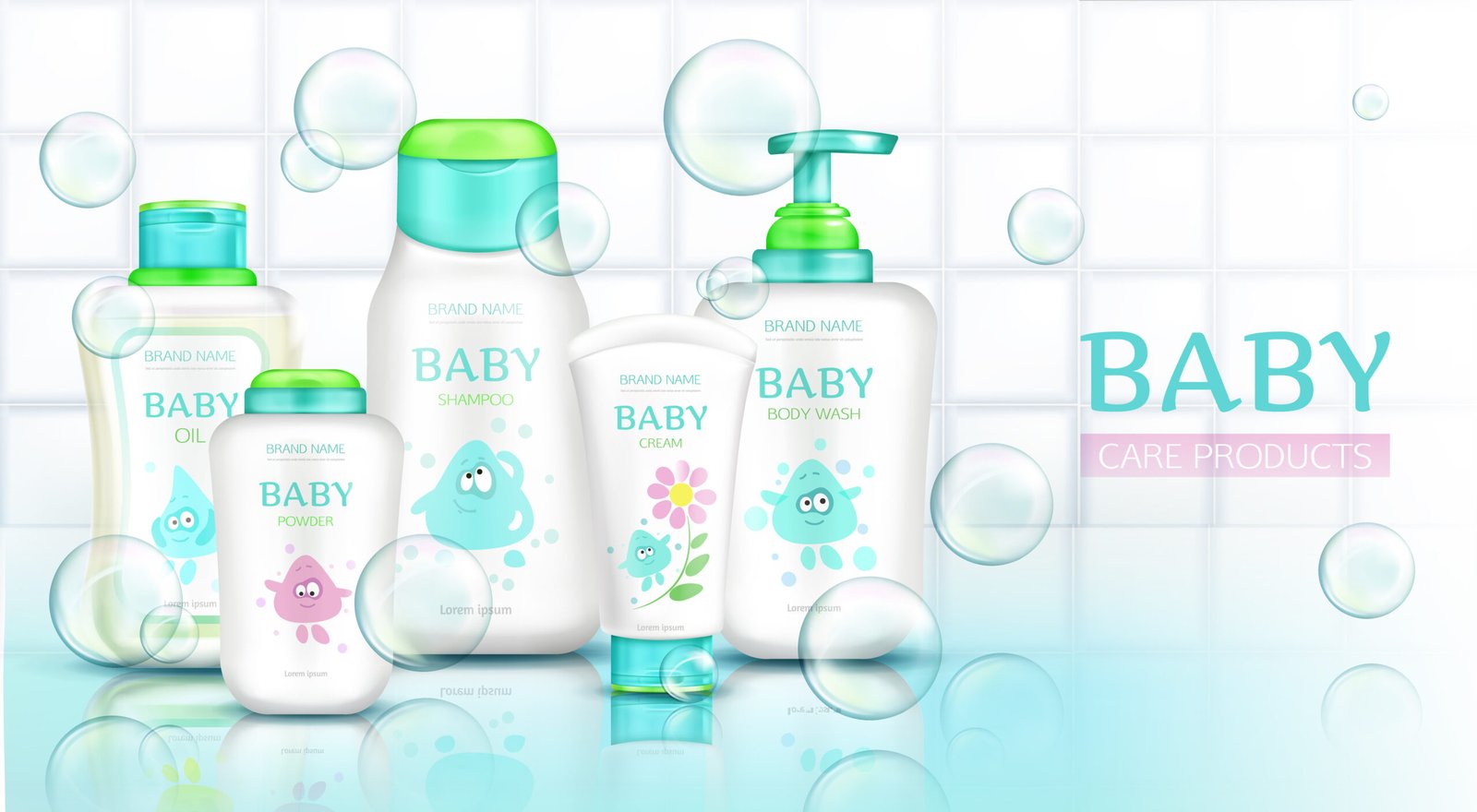
Different Baby Care Products and What to Look For
Baby Shampoo
Choose mild formulations designed to cleanse gently while helping maintain the scalp’s natural moisture balance.
Baby Body Wash
Look for products that cleanse without leaving skin feeling dry after bathing.
Baby Lotion
A good baby lotion should help support skin hydration while feeling lightweight and comfortable.
Baby Massage Oil
Select oils intended specifically for babies and always follow appropriate usage directions.
Baby Cream
Creams are generally used on areas needing extra moisturisation or protection from dryness.
Baby Wipes
Choose wipes made for sensitive skin, especially if they will be used frequently throughout the day.
Diaper Rash Cream
These products are designed to help protect delicate skin from prolonged exposure to moisture and friction.
Understanding the purpose of each product is another important part of learning how to choose safe baby care products effectively, alongside understanding the private label baby cosmetics benefits available to brands developing these ranges.
Common Mistakes Parents Make
Even experienced parents can occasionally overlook important details.
Some common mistakes include:
- Assuming higher prices always mean better quality
- Ignoring ingredient labels
- Choosing products based only on fragrance
- Frequently changing skincare products without reason
- Using adult skincare products on babies
- Buying products without checking age suitability
Avoiding these habits helps simplify how to choose safe baby care products while reducing unnecessary trial and error.
Tips for Introducing a New Baby Care Product
Whenever introducing a new product:
- Perform a small patch test whenever appropriate.
- Introduce only one new product at a time.
- Observe your baby’s skin for the next 24 to 48 hours.
- Discontinue use and consult a healthcare professional if irritation develops.
A gradual approach allows parents to identify which products work best for their child.
Why Manufacturing Standards Matter
Parents often focus on ingredients but overlook where and how products are manufactured.
High-quality manufacturing involves:
- Good Manufacturing Practices (GMP)
- Strict quality control procedures
- Stability and safety testing
- Reliable ingredient sourcing
- Batch consistency
- Regulatory compliance
- Documented production processes
These standards help ensure that products are manufactured consistently and responsibly, giving brands and consumers greater confidence in product quality, a hallmark of experienced skin care products manufacturers.
Understanding how to choose safe baby care products also means recognising the importance of responsible manufacturing—not just attractive packaging or marketing claims.
Launch Your Wellness Product with a Trusted Manufacturing Partner
Conclusion
Choosing products for your baby shouldn’t feel overwhelming. By understanding ingredient labels, recognising quality standards, considering your baby’s unique skin needs, and purchasing from trusted manufacturers, parents can make more confident decisions. Ultimately, how to choose safe baby care products comes down to combining informed research with products developed using high standards of safety, transparency, and quality, the kind offered by trusted skin care products manufacturers in india.
Partner with Good Karma Wellness Private Limited
As demand for safe, high-quality baby care products continues to grow, brands need a manufacturing partner they can rely on. Good Karma Wellness Private Limited specialises in developing premium personal care formulations backed by research, rigorous quality control, GMP-compliant manufacturing, and internationally recognised production standards. From formulation development and product testing to private label manufacturing and packaging support, the company helps businesses create reliable baby care products that meet evolving consumer expectations. If you’re planning to launch or expand a baby care range, partner with Good Karma Wellness to bring trusted, quality-focused products to market with confidence.
Frequently Asked Questions
Q1. How do I know if a baby care product is safe?
Look for products that are suitable for babies, have transparent ingredient lists, are dermatologically tested where applicable, and are manufactured under recognised quality standards.
Q2. Can babies use products made for adults?
Adult skincare products may contain stronger ingredients that are not formulated for delicate baby skin. Products specifically designed for babies are generally the better choice.
Q3. Is fragrance-free better for babies?
Fragrance-free products are often preferred for babies with sensitive skin, although suitability depends on the complete formulation and individual skin needs.
Q4. Will natural ingredients always be safer?
Not necessarily. Both natural and synthetic ingredients can be safe when properly formulated and tested. Product quality depends on the overall formulation rather than ingredient origin alone.
Q5. What ingredients should parents avoid in baby care products?
Many parents choose to avoid harsh sulphates, excessive artificial fragrances, drying alcohols, formaldehyde-releasing preservatives, and unnecessary synthetic dyes.
Q6. What should I check before buying baby skincare?
Review the ingredient list, age recommendation, manufacturing quality, usage instructions, and product suitability for your baby’s skin type.
Q7. Why is a patch test recommended?
A patch test helps identify whether your baby’s skin may react to a new product before applying it more broadly.
Q8. Why are manufacturing standards important for baby care products?
High manufacturing standards help ensure product consistency, safety, quality control, and reliable formulation practices, giving parents greater confidence in the products they choose.