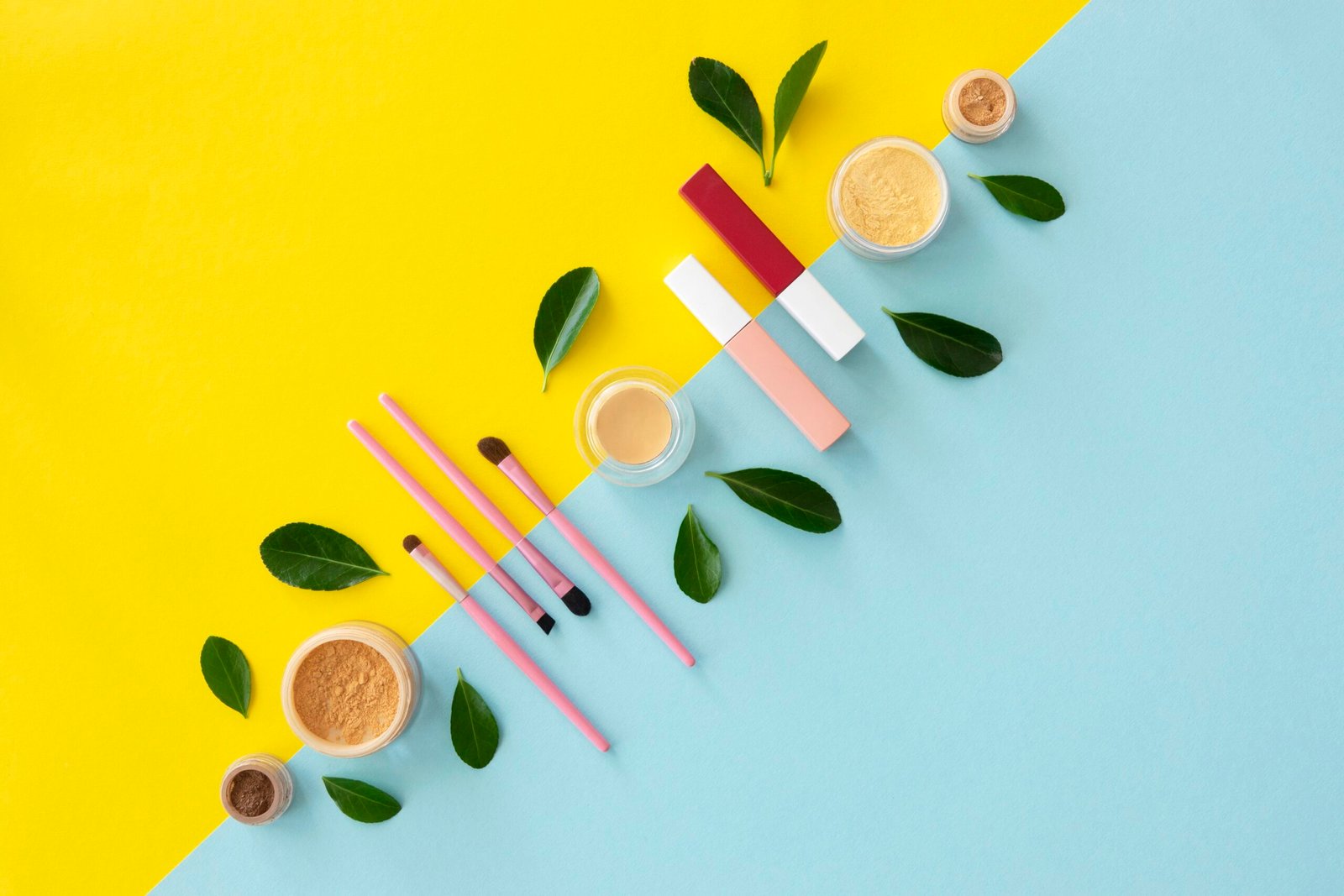
The cosmetic industry in India in 2026 is evolving through rising beauty spending, digital shopping, ingredient-focused skincare, and growing demand for innovative personal care products. Market estimates vary by category, but the sector offers opportunities for beauty startups, established brands, and manufacturers investing in quality, product development, and consumer trust.
The cosmetic industry in India 2026 presents opportunities for businesses developing skincare, haircare, makeup, and personal care products. As consumer expectations evolve, brands need reliable formulations, consistent quality, and scalable production. At Good Karma Wellness Private Limited, we help businesses turn product concepts into market-ready personal care solutions. Here is what brands need to know to navigate this changing market. If you want a closer look at the production side, this guide explains how to manufacture cosmetic products.
What Is the Current State of the Cosmetic Industry in India in 2026?
The cosmetic industry in India 2026 covers a broad range of products, including skincare, makeup, haircare, fragrances, and personal care. It brings together domestic beauty brands, international companies, online retailers, ingredient suppliers, and contract manufacturers. For a clearer picture of the manufacturing side, see where are cosmetics manufactured.
Consumer expectations are also evolving. Buyers increasingly look for products that suit their skin and hair concerns, offer clear ingredient information, and deliver consistent performance. For businesses, this creates opportunities to develop distinctive products rather than compete on price alone.
India Beauty Market Size: Key Figures and Forecasts
Market size depends on which products a report includes. For example, the broader beauty and personal care market covers more categories than cosmetics alone.
According to Statista’s 2026 market forecast, India’s beauty and personal care market is projected to generate approximately US$42.36 billion in revenue in 2026, with a forecast CAGR of 4.83% from 2026 to 2031.
By comparison, IMARC Group estimates the Indian cosmetics market at US$16.34 billion in 2026, with a projection of US$25.39 billion by 2034 and a forecast CAGR of 5.66% for 2026–2034.
Market indicator | Estimate |
Beauty and personal care market, 2026 | US$42.36 billion |
Cosmetics market, 2026 | US$16.34 billion |
Cosmetics market forecast, 2034 | US$25.39 billion |
Cosmetics market forecast CAGR, 2026–2034 | 5.66% |
Source: Statista Market Insights and IMARC Group. These figures cover different market definitions and should not be treated as directly comparable.
The figures indicate substantial commercial activity across India’s beauty sector. However, brands should evaluate individual product categories, target customers, price points, and distribution channels before deciding where to invest.
Indian Cosmetics Market Growth: What Is Driving Expansion?
Several factors are influencing the Indian cosmetics market growth and shaping how brands develop, market, and distribute their products.
1. Changing Consumer Preferences
Beauty products are increasingly part of everyday personal care routines. Consumers are exploring moisturisers, serums, sunscreens, hair treatments, and specialised body care products alongside traditional makeup.
Brands that understand specific customer concerns can create more relevant product ranges and communicate their benefits more clearly.
2. E-commerce and Digital Discovery
Online marketplaces, brand websites, social media, and beauty creators help consumers discover products beyond their local retail stores.
Digital channels also allow emerging brands to test product concepts, gather feedback, and reach niche audiences. However, long-term success still depends on product quality, customer experience, and repeat purchases.
3. Demand for Ingredient-Focused Formulations
Consumers increasingly encounter ingredients such as niacinamide, ceramides, peptides, and botanical extracts through beauty education and online content.
For manufacturers, this creates opportunities to develop formulations that balance ingredient selection, stability, texture, safety, and product performance.
4. Growing Interest in Herbal and Ayurvedic Beauty
India’s established traditions of herbal and Ayurvedic personal care offer opportunities for brands seeking to combine familiar ingredients with modern formulation methods.
Plant-based positioning should be supported by appropriate ingredient documentation, safety evaluation, and substantiated product claims. Natural ingredients are not automatically safe for every user or formulation.
5. Opportunities Beyond Major Cities
Beauty brands can reach consumers in smaller cities through e-commerce, regional distribution, and more accessible product ranges. Understanding local preferences and purchasing power can help businesses develop products with suitable pricing and positioning.
Top Cosmetic Industry Trends Shaping India in 2026
The cosmetic industry in India 2026 is influenced by changing expectations around product performance, convenience, inclusivity, and responsible manufacturing.
- Science-led skincare: Formulations designed around specific concerns, with appropriate evidence supporting product claims.
- Simplified skincare routines: Products that fit easily into daily routines and address practical consumer needs.
- Ayurvedic and botanical beauty: Traditional ingredients incorporated into carefully developed modern formulations.
- Inclusive product development: Greater attention to different skin tones, hair textures, climates, and consumer preferences.
- Sustainable packaging: Efforts to reduce unnecessary packaging and improve material choices where feasible.
- Expanding men’s grooming: Opportunities in facial care, haircare, body care, and fragrance products designed for varied customer needs.
For beauty brands, the goal should not be to follow every trend. Instead, identify a genuine customer need and build a product that offers a clear, credible reason to buy.
Which Cosmetic Segments Offer Business Opportunities?
Different product categories present different formulation, positioning, and manufacturing requirements.
Product category | Potential opportunity |
Skincare | Moisturisers, cleansers, serums, and targeted face care |
Haircare | Shampoos, conditioners, masks, and scalp care |
Makeup | Foundations, lip products, and complexion products |
Body care | Body lotions, washes, scrubs, and hand care |
Herbal personal care | Botanical and Ayurveda-inspired formulations |
Before choosing a category, businesses should assess competitors, customer demand, pricing, ingredient costs, packaging requirements, and expected production volumes. Brands in western India often begin this assessment with a cosmetic manufacturer in ahmedabad to understand what is practical at their scale.
How Can Brands Enter and Grow in India’s Cosmetics Market?
Launching a beauty brand requires more than an appealing name and attractive packaging. A well-planned product development process helps businesses reduce avoidable risks.
- Identify your audience: Define the customers, concerns, and price range your product will serve.
- Develop a differentiated concept: Establish what makes the product relevant and how its benefits can be substantiated.
- Choose a manufacturing model: Compare private-label products with custom-formulated solutions.
- Evaluate product quality: Review stability, safety, packaging compatibility, and appropriate testing requirements.
- Plan your launch: Finalise packaging, product information, distribution, pricing, and marketing.
- Prepare to scale: Monitor customer feedback, repeat purchases, production consistency, and inventory requirements.
Working with an experienced manufacturer can help brands coordinate formulation, testing, packaging, and production more efficiently. If you are building a label from scratch, this walkthrough on how do i start my own cosmetic brand with a private label manufacturer is a useful starting point.
The Role of Cosmetic Manufacturers in India’s Growing Beauty Market
As competition increases, the cosmetic industry in India 2026 requires brands to pay close attention to formulation quality, production consistency, and customer expectations.
A manufacturing partner can support businesses through:
- Private-label manufacturing: Developing products under a brand’s identity using suitable existing formulations.
- Custom formulation and R&D: Creating formulations around specific product goals, ingredients, textures, and target markets.
- Testing and quality control: Evaluating stability, microbial quality, packaging compatibility, and other relevant product parameters.
- Packaging and production planning: Coordinating suitable packaging and preparing for consistent production at the required scale.
- Regulatory support: Helping businesses understand documentation and market-specific compliance requirements.
Good Karma Wellness Private Limited offers R&D-led formulation, private-label and third-party manufacturing, testing and validation, and scalable production support. Its website also highlights GMP certification, ISO 9001:2015 accreditation, and export-oriented capabilities. Brands serving the western coast can also explore cosmetic manufacturers in mumbai as part of their search.
When choosing a manufacturer, review its relevant experience, quality systems, testing capabilities, minimum order quantities, lead times, documentation, and communication process. The right partner should understand your product objectives rather than simply offer production capacity. Brands based in the north often compare cosmetic manufacturers in delhi on these points before shortlisting
Cosmetic Manufacturing Regulations and Quality Considerations
Cosmetic businesses must account for applicable Indian regulations before launching products. The Cosmetics Rules, 2020, govern relevant aspects of cosmetic manufacturing, imports, standards, and compliance. The Central Drugs Standard Control Organization (CDSCO) provides official regulatory information.
Before commercial production, brands should consider:
- Applicable manufacturing licences and permissions.
- Ingredient safety and product specifications.
- Appropriate testing and quality documentation.
- Accurate labels and substantiated product claims.
- Additional requirements for intended export markets.
Requirements vary by product and market. Businesses should confirm the applicable rules with qualified regulatory professionals and their manufacturing partners. Since regional manufacturing hubs can differ in their capabilities, it helps to review cosmetic manufacturers in gujarat alongside other regions.
Challenges and Future Outlook
Despite its opportunities, the cosmetic industry in India 2026 presents challenges, including intense competition, customer acquisition costs, changing consumer preferences, and pressure to deliver quality at competitive prices.
Brands can prepare by focusing on a clearly defined audience, investing in product development, validating claims, and maintaining consistent manufacturing standards. Market forecasts provide useful direction, but actual performance depends on execution, pricing, distribution, and consumer demand. For brands weighing local production options, cosmetics manufacturers in surat are worth considering as well.
Build Your Beauty Brand With Good Karma Wellness Private Limited
The opportunities within the cosmetic industry in India 2026 reward businesses that combine relevant product ideas with sound formulation, reliable manufacturing, and consistent quality.
Good Karma Wellness Private Limited partners with emerging founders, D2C businesses, established brands, and international retailers to develop personal care products through science-led R&D, conscious formulation, and scalable manufacturing.
Whether you are planning a skincare launch, expanding a haircare range, or developing a botanical personal care line, the right manufacturing partnership can help you move from concept towards commercial production.
Ready to bring your next beauty product to life? Contact Good Karma Wellness Private Limited to discuss your formulation requirements, product concept, and manufacturing goals.
Frequently Asked Questions
Q1. How can I start a cosmetic brand in India?
Define your target audience, select a product category, develop a formulation, identify a suitable manufacturer, and address applicable testing, labelling, and regulatory requirements before launch.
Q2. Can small businesses use private-label cosmetic manufacturing?
Yes. Private-label manufacturing can help small businesses launch products without establishing their own manufacturing facility. Minimum order quantities and customisation options depend on the manufacturer.
Q3. Is the Indian cosmetics market growing?
Yes. IMARC Group projects the Indian cosmetics market to grow from US16.34billionin2026toUS25.39 billion by 2034, subject to its forecast assumptions.
Q4. Will skincare remain an opportunity in India in 2026?
Skincare offers opportunities across cleansing, moisturising, sun protection, and targeted products. Success depends on consumer needs, differentiation, product quality, and credible claims.
Q5. What is the India beauty market size in 2026?
Statista projects India’s broader beauty and personal care market at US$42.36 billion in 2026. This includes categories beyond cosmetics alone.
Q6. What is private-label cosmetic manufacturing?
It is a manufacturing model in which products are produced for sale under a brand’s name, often using existing formulations that may offer varying degrees of customisation.
Q7. Why is product testing important in cosmetics?
Testing helps assess relevant aspects of safety, stability, microbial quality, and packaging compatibility. The appropriate testing programme depends on the product and its intended use.
Q8. Why should a beauty brand work with a contract manufacturer?
A contract manufacturer can provide formulation expertise, production facilities, quality processes, and manufacturing support, helping a brand focus on product strategy, marketing, and distribution.