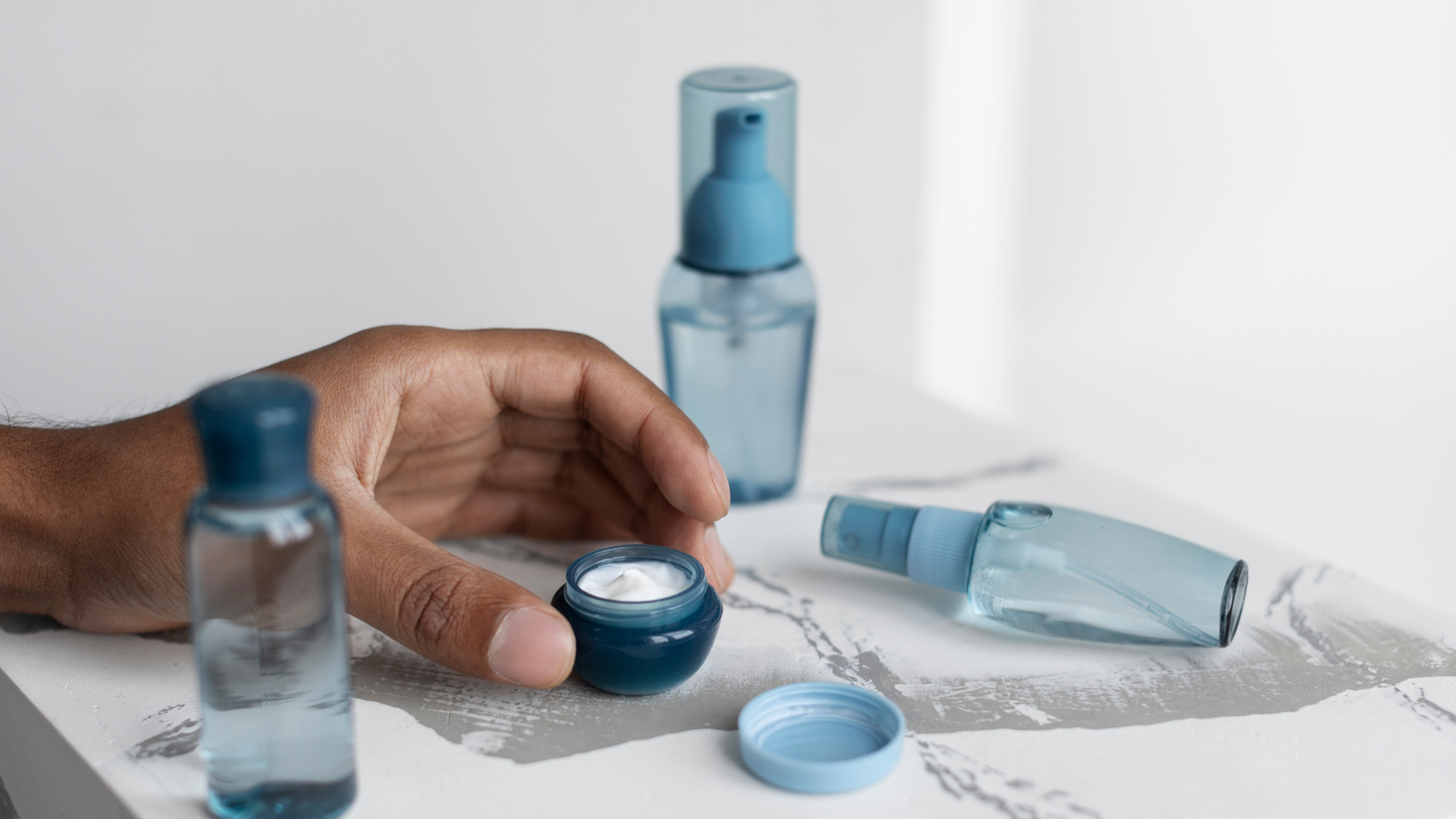
A private label face care manufacturer develops and manufactures skincare products that businesses can sell under their own brand name. From formulation and testing to packaging and compliance, the right manufacturing partner helps brands launch high-quality face care products efficiently while maintaining consistent quality, safety, and regulatory standards.
Launching a skincare brand begins with choosing the right private label face care manufacturer. A trusted partner provides the expertise, infrastructure, and support needed to transform your ideas into market-ready products. At Good Karma Wellness Private Limited, businesses receive end-to-end private label manufacturing solutions, from product development and formulation to packaging and large-scale production, helping brands confidently enter the competitive beauty market. If you’re exploring your options more broadly, working with established private label cosmetic manufacturers can also open doors across other beauty categories.
What Is a Private Label Face Care Manufacturer?
A private label face care manufacturer creates skincare products that are sold under another company’s brand name. Instead of investing in manufacturing facilities, research laboratories, and production equipment, brands can focus on marketing and growing their business while an experienced manufacturer handles product development and production.
Private label manufacturing offers a practical solution for startups, entrepreneurs, retailers, salons, and established beauty companies looking to expand their product portfolio without the complexities of setting up their own manufacturing unit. This same model extends to broader personal care products manufacturing, giving brands the flexibility to diversify beyond just face care.
How Private Label Face Care Works
The process typically begins with selecting existing formulations or developing custom products. Once the formula is finalized, the manufacturer produces, tests, fills, labels, and packages the products according to your branding requirements. The finished products are then ready for retail, e-commerce, or export. Understanding what is third-party cosmetic manufacturing can also help you compare this approach against other production models.
Why Private Label Face Care Is Growing Rapidly
The global skincare industry continues to grow as consumers become increasingly conscious about skincare ingredients, product quality, and personalized beauty routines. This has created significant opportunities for businesses to launch their own skincare brands through private label manufacturing.
Some of the key reasons behind this growing demand include:
- Lower initial investment compared to establishing a manufacturing facility
- Faster product development and market launch
- Access to experienced research and development teams
- High-quality manufacturing standards
- Flexibility to introduce multiple product categories
- Easier scalability as the business expands
Partnering with an experienced private label face care manufacturer allows brands to respond quickly to changing consumer preferences while maintaining consistent product quality. Many brands find that working with dedicated private label skin care manufacturers offers this same agility across their entire skincare line.
Products You Can Launch Through Private Label Manufacturing
A reliable manufacturing partner can help develop a wide range of face care products, including:
- Face cleansers
- Face washes
- Moisturizers
- Face creams
- Facial serums
- Sunscreens
- Toners
- Face masks
- Face oils
- Exfoliating scrubs
- Night creams
- Brightening creams
- Anti-ageing skincare
- Hydrating gels
This flexibility enables brands to create complete skincare collections that cater to different skin types and customer needs.
Benefits of Working with a Professional Private Label Face Care Manufacturer
Choosing the right manufacturing partner offers several long-term advantages.
Custom Product Development
Many brands want products that reflect their unique identity. Experienced manufacturers provide customized formulations that align with your brand positioning, ingredient preferences, and target audience. Knowing the distinction behind private label vs white label cosmetics can also help you decide which approach best suits your brand identity.
Research and Development Expertise
An established manufacturer invests in dedicated R&D teams that continuously develop innovative formulations using scientifically backed ingredients and modern skincare technologies.
Quality Assurance
Consistent quality is essential for building customer trust. Professional manufacturers follow strict production protocols and quality control measures throughout every stage of manufacturing.
Regulatory Compliance
Reliable manufacturers ensure products comply with applicable industry regulations, ingredient guidelines, labeling requirements, and documentation standards, making domestic and international distribution much smoother. Businesses based in Punjab often work with established cosmetic manufacturers in ludhiana to meet these standards locally.
Packaging Support
Packaging plays a significant role in customer perception. Many manufacturers assist with selecting bottles, tubes, jars, pumps, cartons, and label designs that enhance product appeal.
Scalable Manufacturing
As your business grows, production requirements also increase. Working with an experienced private label face care manufacturer ensures manufacturing capacity can grow alongside your brand.
How to Choose the Right Private Label Face Care Manufacturer
Selecting the right manufacturing partner directly impacts your brand’s success. Consider the following factors before making a decision.
Manufacturing Experience
Look for manufacturers with proven expertise in skincare development and production. Years of experience often translate into better processes and product consistency. In the NCR region, several experienced cosmetic manufacturers in noida offer this level of proven expertise.
Certifications
Choose manufacturers operating under internationally recognized quality standards such as GMP and ISO-certified facilities.
Ingredient Transparency
A trustworthy manufacturer clearly communicates ingredient sourcing, formulation practices, testing methods, and product safety standards.
Research Capabilities
Innovation is becoming increasingly important in skincare. Manufacturers with in-house research teams can help develop differentiated products that meet evolving consumer demands.
Production Capacity
Ensure the manufacturer can handle both your current order volume and future growth requirements without compromising quality.
Flexible Minimum Order Quantities
Businesses at different growth stages have different production requirements. Flexible MOQs make it easier for startups and emerging brands to launch confidently.
The Private Label Manufacturing Process
An experienced private label face care manufacturer follows a structured production process to ensure every product meets quality expectations.
- Initial consultation and understanding your brand vision.
- Product selection or custom formulation development.
- Sample creation and approval.
- Packaging selection and branding.
- Commercial manufacturing.
- Quality testing and stability evaluation.
- Labeling and regulatory documentation.
- Final packaging and dispatch.
This streamlined approach helps brands bring products to market efficiently while maintaining high manufacturing standards.
Essential Certifications to Look For
Quality certifications demonstrate a manufacturer’s commitment to safety and consistency.
Some important certifications include:
- Good Manufacturing Practices (GMP)
- ISO 9001:2015 Quality Management Systems
- Product safety testing
- Stability testing
- Microbiological testing
- Regulatory documentation
These certifications provide confidence that products are manufactured under controlled conditions using standardized processes.
Common Mistakes to Avoid
Many businesses focus primarily on production costs while overlooking other important considerations.
Avoid these common mistakes:
- Choosing solely based on the lowest price
- Ignoring manufacturing certifications
- Overlooking formulation expertise
- Failing to evaluate quality control processes
- Not considering future production scalability
- Selecting manufacturers with limited product development capabilities
Taking time to evaluate these factors can prevent costly challenges later. If you’re just getting started, a guide on how to start your own skincare brand in india can help you navigate these decisions from the ground up.
Why Good Karma Wellness Private Limited Is a Trusted Manufacturing Partner
Choosing the right private label face care manufacturer goes beyond production capabilities. It requires a partner that understands product innovation, quality assurance, regulatory compliance, and evolving consumer expectations.
Good Karma Wellness Private Limited combines scientific research with thoughtful product development to help brands create high-quality skincare solutions. With modern manufacturing facilities, experienced formulation specialists, and a strong focus on clean and effective skincare, the company supports businesses at every stage of product development.
Their comprehensive services include:
- Custom face care formulation development
- Private label manufacturing
- Packaging and branding support
- Quality testing
- Regulatory documentation assistance
- Scalable manufacturing solutions
- Export-ready production capabilities
Whether you are launching your first skincare line or expanding an established beauty brand, Good Karma offers the expertise and infrastructure needed to deliver products that meet today’s quality expectations.
Conclusion
Choosing the right private label face care manufacturer is one of the most important decisions for any skincare brand. A dependable manufacturing partner ensures product quality, regulatory compliance, innovation, and consistent production, allowing you to focus on building your brand and growing your customer base.
With its science-driven approach, experienced research team, quality-focused manufacturing practices, and end-to-end private label solutions, Good Karma Wellness Private Limited helps beauty brands confidently bring exceptional face care products to market. If you’re ready to launch or expand your skincare range, partnering with Good Karma can turn your vision into a successful reality.
Frequently Asked Questions
Q1. What does a private label face care manufacturer do?
A private label face care manufacturer develops, manufactures, packages, and labels skincare products that businesses sell under their own brand name.
Q2. How do I choose the right private label face care manufacturer?
Look for experience, certifications, quality standards, formulation expertise, manufacturing capacity, transparent communication, and regulatory support.
Q3. Why should I choose private label manufacturing instead of setting up my own factory?
Private label manufacturing significantly reduces investment, shortens product launch timelines, and provides access to experienced manufacturing professionals and advanced production facilities.
Q4. Can I create my own custom skincare formulation?
Yes. Many manufacturers offer custom formulation services that allow brands to develop unique products based on specific ingredients, textures, and performance goals.
Q5. Is private label manufacturing suitable for startups?
Yes. Many manufacturers offer flexible production quantities, making private label manufacturing an excellent option for startups and emerging skincare brands.
Q6. Will the manufacturer help with packaging and branding?
Most professional manufacturers provide packaging recommendations, container sourcing, labeling assistance, and branding support to simplify the product launch process.
Q7. How long does it take to launch a private label skincare product?
The timeline depends on formulation, packaging, testing, and production requirements, but working with an experienced manufacturer helps streamline the entire process.
Q8. Can private label skincare products be exported internationally?
Yes. Manufacturers that follow international quality standards and provide proper regulatory documentation can support brands targeting both domestic and global markets.