
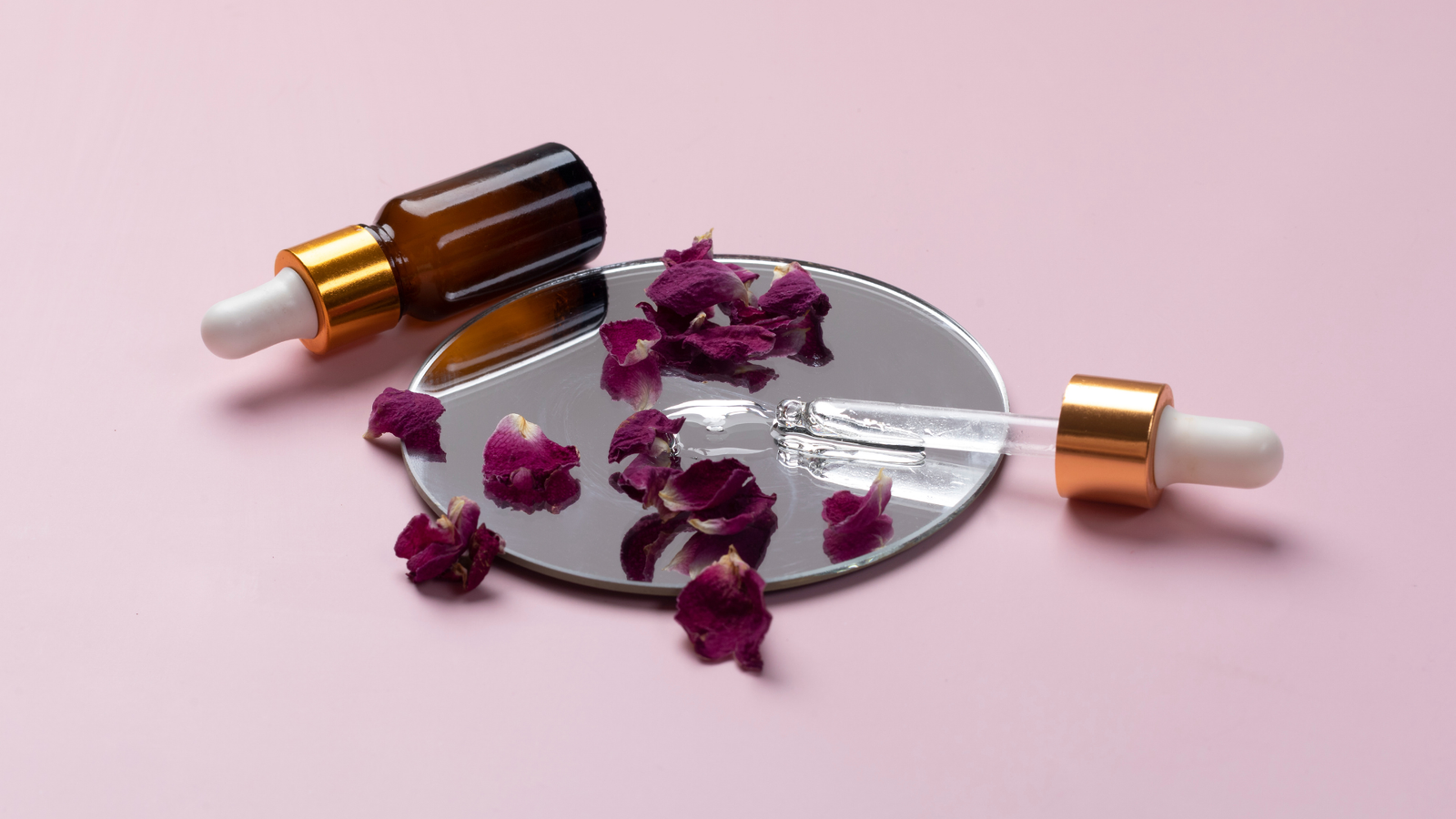
Active ingredient combinations cosmetics refer to carefully selected skincare actives that work together to improve product performance, enhance skin benefits, and minimize irritation. The right combinations can support hydration, brightening, anti-ageing, and barrier repair, while incompatible ingredients may reduce effectiveness or increase sensitivity. Understanding ingredient compatibility helps consumers choose better products and enables brands to create safer, high-performing formulations.
Choosing the right active ingredient combinations cosmetics is one of the most important factors in achieving healthier, more effective skincare. Rather than relying on a single ingredient, modern cosmetic formulations combine complementary actives to deliver multiple skin benefits while maintaining safety and stability. Whether you’re a skincare enthusiast or a beauty brand developing new formulations, understanding ingredient synergy is essential. If you’re looking for expert cosmetic formulation and manufacturing support, Good Karma Wellness Private Limited offers end-to-end private label and custom cosmetic manufacturing solutions. Let’s explore how active ingredients work together—and why the right combinations make all the difference.
What Are Active Ingredients in Cosmetics?
Active ingredients are the components in a cosmetic formulation that are responsible for delivering targeted skincare benefits. Unlike inactive ingredients that provide texture, fragrance, or preservation, active ingredients address specific concerns such as acne, pigmentation, dehydration, wrinkles, or uneven skin tone.
Some of the most widely used cosmetic actives include:
- Vitamin C
- Retinol
- Niacinamide
- Hyaluronic Acid
- Salicylic Acid
- Glycolic Acid
- Ceramides
- Peptides
- Azelaic Acid
The effectiveness of these ingredients depends not only on their concentration but also on how they interact with other ingredients in the same formulation, a nuance well understood by experienced cosmetic manufacturers in gurgaon working with complex actives.
Why Ingredient Compatibility Matters
Not every ingredient works well with another. Cosmetic scientists carefully evaluate compatibility to ensure that formulations remain:
- Stable throughout their shelf life
- Safe for different skin types
- Effective after repeated use
- Comfortable without causing unnecessary irritation
This is why active ingredient combinations cosmetics require scientific formulation rather than simply mixing popular ingredients together, a discipline commonly practiced by skilled cosmetic manufacturers in chandigarh.
Why Active Ingredient Combinations Are Important
Today’s skincare products are designed to address multiple concerns simultaneously. Instead of using several separate products, consumers increasingly prefer formulations that combine compatible actives for comprehensive results.
Benefits of well-formulated ingredient combinations include:
- Enhanced ingredient performance
- Better skin hydration
- Improved absorption
- Reduced irritation
- Support for the skin barrier
- Simplified skincare routines
A balanced combination also allows formulators to maximize the strengths of individual ingredients while minimizing potential drawbacks, which is the central goal behind effective multi-ingredient cosmetic formulation.
The Science Behind Cosmetic Formulation
Developing effective formulations involves more than selecting trending ingredients. Cosmetic chemists consider several scientific factors, including:
- Ingredient stability
- pH compatibility
- Delivery systems
- Concentration levels
- Oxidation resistance
- Packaging compatibility
These elements ensure that the active ingredients remain effective from manufacturing through consumer use, a standard consistently maintained by established cosmetics manufacturers in bawana.
Best Active Ingredient Combinations in Cosmetics
Understanding which ingredients complement each other is key to creating products that deliver consistent, visible results.
Vitamin C + Vitamin E + Ferulic Acid
This antioxidant trio is widely recognized for protecting the skin from environmental stressors.
Benefits include:
- Improved skin brightness
- Enhanced antioxidant protection
- Better formulation stability
- Support against free radical damage
Ferulic acid helps stabilize both Vitamins C and E, making the combination more effective than using Vitamin C alone, a formulation nuance often refined by experienced cosmetic manufacturer in rajkot teams.
Hyaluronic Acid + Niacinamide
This pairing combines hydration with barrier support.
Benefits:
- Deep moisture retention
- Improved skin elasticity
- Reduced redness
- Balanced oil production
- Strengthened skin barrier
This combination suits almost every skin type, including sensitive skin, which is why it’s frequently used by cosmetic manufacturers in navi mumbai across multiple product lines.
Retinol + Peptides
Retinol encourages skin renewal, while peptides help support collagen production.
Together they may help improve:
- Fine lines
- Skin firmness
- Uneven texture
- Overall skin appearance
Peptides also help make retinol-based formulations more comfortable to use.
Retinol + Ceramides
Ceramides strengthen the skin barrier while retinol promotes skin renewal.
Advantages include:
- Less dryness
- Better moisture retention
- Improved skin comfort
- Enhanced tolerance to retinol
Vitamin C + SPF
Vitamin C and sunscreen serve different purposes but complement each other well.
Together they help:
- Reduce oxidative stress
- Support daily environmental protection
- Improve skin radiance
- Defend against UV-induced free radicals
Salicylic Acid + Niacinamide
An excellent option for oily and blemish-prone skin.
Benefits include:
- Oil control
- Reduced congestion
- Calmer-looking skin
- Improved skin balance
AHA + Hyaluronic Acid
Chemical exfoliation can temporarily reduce moisture, making hydration essential.
This combination helps:
- Smooth rough texture
- Support skin hydration
- Improve skin softness
- Reduce post-exfoliation dryness
Azelaic Acid + Niacinamide
These ingredients work well together for uneven skin tone and visible redness.
Potential benefits include:
- More even-looking complexion
- Balanced oil production
- Improved skin comfort
- Support for sensitive skin
These examples demonstrate why active ingredient combinations cosmetics are developed with careful scientific consideration rather than simple ingredient mixing.
Active Ingredient Combinations to Avoid
Some ingredients may increase irritation or reduce effectiveness when used together without proper formulation expertise.
Retinol + AHAs/BHAs
Using multiple strong exfoliating ingredients simultaneously may increase skin sensitivity.
A safer approach is alternating them on different evenings.
Vitamin C + Benzoyl Peroxide
Benzoyl peroxide may reduce the effectiveness of certain Vitamin C formulations.
Many skincare professionals recommend separating their use.
Retinol + Benzoyl Peroxide
Both ingredients are effective individually but may be overly drying when applied together unless professionally formulated.
Multiple Exfoliating Acids Together
Combining several exfoliating acids unnecessarily may compromise the skin barrier.
Balanced formulations typically rely on carefully selected acid blends rather than excessive concentrations.
High-Concentration Actives Without Professional Guidance
Higher percentages do not always produce better results.
Proper formulation focuses on compatibility, delivery systems, and skin tolerance instead of simply increasing concentrations.
How to Layer Active Ingredients Correctly
Proper layering can improve product performance and skin comfort.
Morning Routine
A typical morning routine may include:
- Gentle cleanser
- Vitamin C serum
- Niacinamide (if suitable)
- Moisturizer
- Broad-spectrum sunscreen
Evening Routine
Evening products often focus on renewal.
A routine may include:
- Cleanser
- Retinol or exfoliating acid
- Hydrating serum
- Moisturizer
Alternate-Day Layering
Instead of combining powerful actives daily, alternating ingredients often improves skin tolerance.
Buffering Sensitive Ingredients
Hydrating products containing ceramides or hyaluronic acid can help reduce dryness associated with stronger actives.
Always Patch Test
Introducing one new product at a time allows users to monitor skin compatibility before regular use.
How Cosmetic Manufacturers Develop Effective Active Ingredient Combinations
Creating high-performing formulations involves extensive research and testing.
Professional cosmetic manufacturers typically perform:
- Research & Development: Evaluating ingredient interactions, efficacy, and formulation objectives.
- Compatibility Testing: Ensuring ingredients remain stable together over time.
- Stability Testing: Testing products under different environmental conditions.
- Safety Evaluation: Assessing irritation potential and product performance.
- Regulatory Compliance: Ensuring formulations meet applicable cosmetic regulations and quality standards.
This scientific approach ensures active ingredient combinations cosmetics are safe, stable, and effective before reaching consumers, a process that closely mirrors the care taken in developing private label baby cosmetics benefits for more sensitive formulations.
Choosing the Right Active Ingredient Combination for Different Skin Concerns
Acne-Prone Skin
Recommended combinations:
- Salicylic Acid + Niacinamide
- Azelaic Acid + Niacinamide
Hyperpigmentation
Suitable combinations include:
- Vitamin C + Ferulic Acid
- Niacinamide + Azelaic Acid
Dry Skin
Hydrating ingredients work particularly well together.
Examples include:
- Hyaluronic Acid + Ceramides
- Niacinamide + Hyaluronic Acid
Sensitive Skin
Gentle combinations are usually preferred.
Options include:
- Ceramides + Peptides
- Niacinamide + Hyaluronic Acid
Mature Skin
Formulations often combine:
- Retinol + Peptides
- Retinol + Ceramides
- Vitamin C + Vitamin E
Selecting appropriate active ingredient combinations cosmetics depends on individual skin concerns, ingredient compatibility, and overall formulation quality, a process closely tied to understanding the oem cosmetics manufacturing benefits that support such customization.
Common Mistakes When Combining Active Ingredients
Avoid these common skincare mistakes:
- Using too many active ingredients at once
- Ignoring ingredient concentrations
- Over-exfoliating the skin
- Mixing incompatible formulations
- Skipping sunscreen during the day
- Introducing several new products simultaneously
- Assuming higher percentages always deliver better results
A thoughtful routine built around compatible active ingredient combinations cosmetics generally produces more consistent outcomes than an overly complex regimen.
Conclusion
Modern skincare is no longer about using a single “hero” ingredient. The most effective products are built on carefully researched ingredient synergy, balancing efficacy, safety, stability, and user experience. Understanding how ingredients interact helps consumers make informed choices and enables brands to develop formulations that deliver reliable, long-term performance. As demand for innovative skincare continues to grow, scientifically developed active ingredient combinations cosmetics will remain at the forefront of cosmetic innovation.
Partner with Good Karma Wellness Private Limited
Looking to develop skincare products powered by scientifically balanced active ingredients? Good Karma Wellness Private Limited specializes in custom cosmetic formulation, private label manufacturing, product development, stability testing, and end-to-end manufacturing support for beauty and personal care brands. Whether you’re launching a new skincare line or expanding your portfolio, our team combines formulation expertise, quality manufacturing practices, and industry knowledge to help bring innovative cosmetic products to market. Connect with Good Karma Wellness Private Limited to transform your skincare vision into high-quality, market-ready formulations.
Frequently Asked Questions
Q1. What are active ingredient combinations in cosmetics?
Active ingredient combinations in cosmetics are formulations that combine compatible skincare actives to enhance effectiveness, improve stability, and address multiple skin concerns within a single product.
Q2. How do active ingredient combinations improve skincare results?
Compatible ingredients work together to support hydration, brightening, skin renewal, or barrier repair while reducing the likelihood of irritation and improving overall formulation performance.
Q3. Can Vitamin C and Retinol be used together?
They can be used together in professionally formulated products or at different times of day, depending on formulation design and skin tolerance.
Q4. Why should some skincare ingredients not be mixed?
Certain ingredients may reduce each other’s effectiveness, become unstable, or increase skin sensitivity when combined improperly.
Q5. Is it better to use one active ingredient or multiple active ingredients?
Well-designed multi-active formulations often provide broader skincare benefits, provided the ingredients are scientifically compatible and appropriately balanced.
Q6. Will combining active ingredients make products work faster?
Not necessarily. Results depend on formulation quality, ingredient concentration, stability, consistency of use, and individual skin characteristics.
Q7. How do cosmetic manufacturers test ingredient compatibility?
Manufacturers perform formulation development, stability testing, compatibility assessments, safety evaluations, and quality testing before products are released.
Q8. Can cosmetic brands create custom formulations with multiple active ingredients?
Yes. Experienced formulation partners can develop custom skincare products using scientifically compatible active ingredients that align with specific brand goals and regulatory requirements.