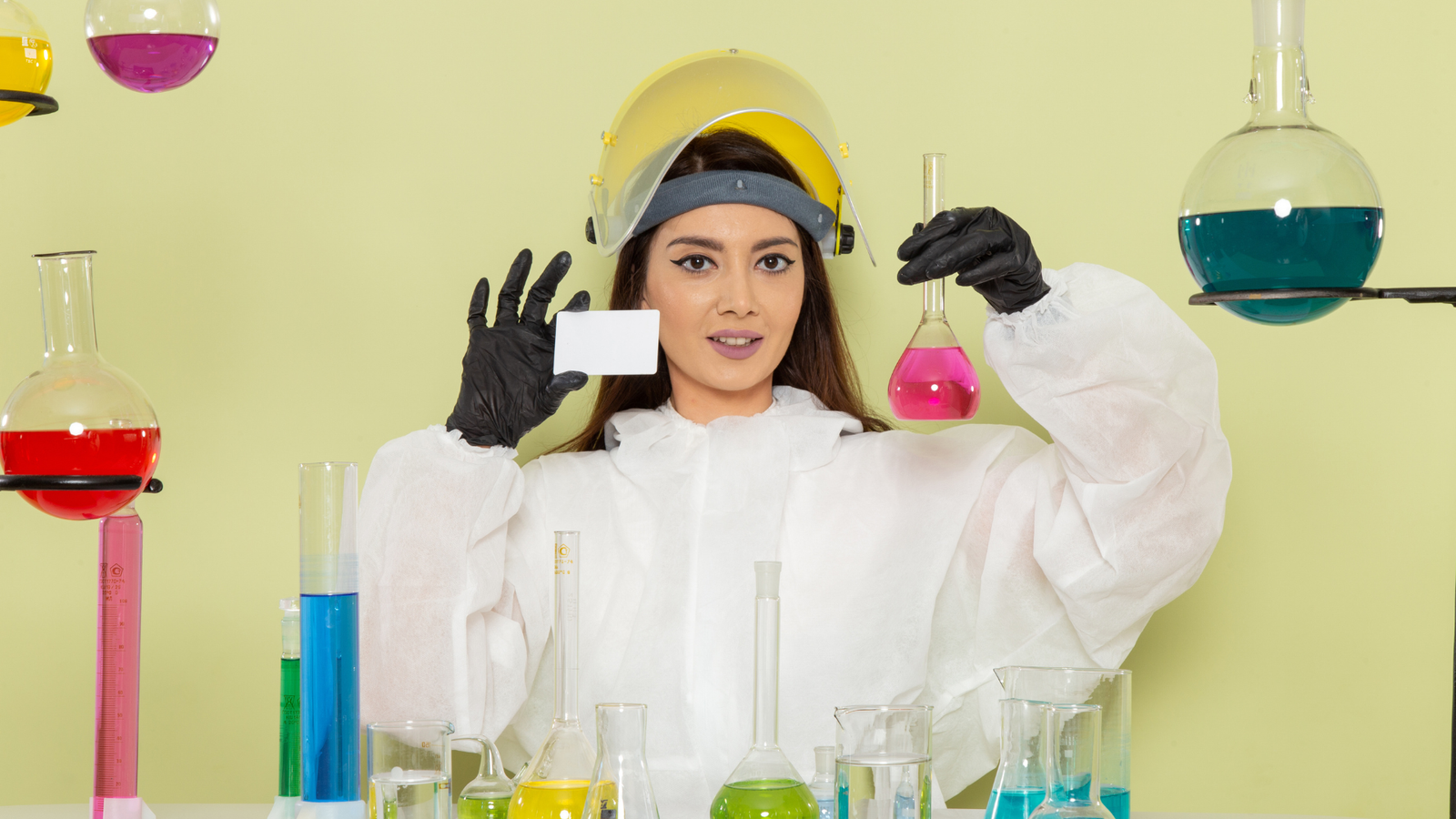
Halal certified cosmetics manufacturing is the process of developing beauty and personal care products using ingredients, sourcing practices, and production methods that comply with halal standards. These products exclude prohibited substances, follow strict quality controls, and meet certification requirements that ensure safety, transparency, traceability, and ethical manufacturing.
Introduction
If you’re wondering what is halal certified cosmetics manufacturing, it refers to producing cosmetics and personal care products that comply with halal requirements throughout sourcing, formulation, manufacturing, packaging, and distribution. As demand for ethical beauty continues to rise, Good Karma Wellness Private Limited helps brands create high-quality halal-compliant skincare, haircare, and personal care products for domestic and international markets. Brands looking for reliable third party cosmetic manufacturers will find that halal-compliant production adds a significant layer of credibility and market reach to their product line.
Consumers today are increasingly conscious about what goes into the products they apply to their skin. Beyond performance, they seek transparency, responsible sourcing, and products that align with their personal values. This shift has made halal-certified beauty products one of the fastest-growing segments in the global beauty industry.
Whether you’re a startup beauty brand, retailer, distributor, or established cosmetics company, understanding halal manufacturing standards can help you tap into new markets while building stronger consumer trust. Partnering with experienced beauty product manufacturers that are already equipped with halal-compliant infrastructure is one of the most efficient ways to enter this space.
What Is Halal Certified Cosmetics Manufacturing?
To fully understand what is halal certified cosmetics manufacturing, it is important to first understand what halal means.
The Arabic term “halal” translates to “permissible” or “allowed.” While it is commonly associated with food, halal principles also extend to cosmetics, skincare, haircare, pharmaceuticals, and wellness products.
In the beauty industry, halal-certified cosmetics are products formulated and manufactured according to guidelines that regulate ingredient sourcing, production processes, storage, and handling practices. Many brands choose to work with private label cosmetic manufacturers to bring halal-certified formulations to market efficiently under their own brand identity.
Understanding the Meaning of Halal in Cosmetics
Halal cosmetics are designed to ensure that every component used in the product meets approved standards.
This includes:
- Active ingredients
- Preservatives
- Fragrances
- Colorants
- Packaging materials
- Manufacturing processes
The focus goes beyond ingredients. The entire supply chain must maintain product integrity and prevent contamination.
What Makes a Cosmetic Product Halal?
A cosmetic product is generally considered halal when it:
- Uses approved ingredients
- Excludes prohibited animal-derived substances
- Avoids non-compliant alcohols
- Maintains hygienic production standards
- Prevents cross-contamination
- Meets certification requirements from recognized halal authorities
Why Halal Certification Matters
Halal certification serves as an independent verification system that confirms a product’s compliance with established standards.
For consumers, this provides confidence and transparency.
For brands, certification demonstrates commitment to quality, ethical sourcing, and regulatory compliance.
How Halal Cosmetics Manufacturing Works
Understanding what is halal certified cosmetics manufacturing requires examining the processes involved in product development and production.
Ingredient Selection and Verification
Every ingredient used in a formulation undergoes careful evaluation.
Manufacturers verify:
- Source of ingredients
- Processing methods
- Supplier documentation
- Traceability records
- Compliance certificates
Common halal-friendly ingredients include:
- Aloe vera
- Shea butter
- Coconut oil
- Plant extracts
- Essential oils
- Mineral ingredients
Halal-Compliant Manufacturing Facilities
Facilities must implement strict production protocols to maintain compliance.
This typically includes:
- Controlled manufacturing environments
- Dedicated production procedures
- Equipment sanitation protocols
- Quality assurance systems
- Product traceability measures
Certification and Documentation
Certification bodies review:
- Ingredient declarations
- Supplier certificates
- Manufacturing workflows
- Facility audits
- Quality control documentation
Only after successful evaluation can products receive halal certification approval.
Key Requirements for Halal Certified Beauty Products
Several criteria determine whether a product qualifies for halal certification.
Approved Ingredients
Halal-certified beauty products typically use:
- Botanical extracts
- Plant oils
- Naturally derived actives
- Mineral ingredients
- Approved synthetic compounds
Restricted Ingredients
Manufacturers generally avoid:
- Pork-derived ingredients
- Certain animal-based materials
- Non-compliant collagen sources
- Certain alcohol-based ingredients
- Ingredients with unclear sourcing records
Ethical Sourcing Practices
Modern halal manufacturing emphasizes responsible procurement.
This often includes:
- Supplier transparency
- Sustainable sourcing
- Ethical partnerships
- Quality assurance checks
Manufacturing Traceability
Traceability allows every ingredient to be tracked throughout production.
This improves:
- Product consistency
- Regulatory compliance
- Consumer confidence
Packaging and Label Compliance
Accurate labeling is essential to ensure transparency and maintain certification standards.
Benefits of Halal Certified Cosmetics Manufacturing
The growing popularity of halal cosmetics is driven by both consumer and business benefits.
Benefits for Consumers
- Greater Ingredient Transparency: Consumers gain a better understanding of what they are applying to their skin and hair.
- Enhanced Product Confidence: Certification provides reassurance that products have undergone independent assessment.
- Ethical Production Standards: Many consumers appreciate the focus on responsible sourcing and manufacturing practices.
- High Quality Assurance: The rigorous standards involved often contribute to stronger quality control systems.
Benefits for Beauty Brands
For businesses exploring what is halal certified cosmetics manufacturing, the commercial advantages are significant.
- Access to Growing Consumer Markets: The demand for halal personal care products continues to increase worldwide.
- Improved Brand Differentiation: Certification helps brands stand out in crowded skincare and beauty categories.
- Increased Customer Trust: Consumers often view certified products as more transparent and reliable.
- Global Expansion Opportunities: Halal-certified beauty products are increasingly sought after in international markets.
Halal Cosmetics vs Vegan, Cruelty-Free, and Clean Beauty
Many consumers assume these categories are identical, but each follows different principles.
Feature | Halal | Vegan | Cruelty-Free | Clean Beauty |
Animal-derived ingredients allowed | Limited and regulated | No | May be allowed | May be allowed |
Animal testing restrictions | Often considered | Not mandatory | Required | Not mandatory |
Religious compliance | Yes | No | No | No |
Ingredient transparency | High | Moderate | Moderate | High |
Manufacturing standards | Strict | Varies | Varies | Varies |
Can a Product Be Halal, Vegan, and Cruelty-Free?
Yes.
Many modern formulations can satisfy multiple standards simultaneously, depending on ingredient selection and manufacturing practices.
Why Halal Cosmetics India Is Emerging as a Global Manufacturing Hub
The global demand for halal cosmetics India solutions is increasing rapidly.
India has become an attractive destination for beauty brands seeking high-quality, cost-effective, and scalable manufacturing capabilities.
Strong Manufacturing Infrastructure
India offers:
- Advanced production facilities
- Skilled formulation experts
- Regulatory expertise
- Competitive manufacturing costs
Growing Global Demand
Export opportunities continue to grow across:
- Middle East
- Southeast Asia
- Africa
- Europe
Innovation and Product Development
Indian manufacturers are increasingly developing innovative formulations that combine modern cosmetic science with halal compliance requirements.
This is one reason many international brands partner with a trusted halal cosmetic manufacturer India to support product development and market expansion.
Products Covered Under Halal Personal Care Manufacturing
The halal personal care category extends far beyond traditional cosmetics.
Halal Skincare Products
Examples include:
- Face cleansers
- Moisturizers
- Serums
- Face masks
- Sunscreens
Halal Haircare Products
Popular options include:
- Shampoos
- Conditioners
- Hair oils
- Hair masks
Halal Body Care Products
These may include:
- Body washes
- Body lotions
- Scrubs
- Hand creams
Wellness and Personal Care Products
Additional categories include:
- Personal hygiene products
- Grooming products
- Specialty wellness products
How to Choose the Right Halal Cosmetic Manufacturer in India
If your brand is evaluating what is halal certified cosmetics manufacturing, selecting the right manufacturing partner is one of the most important decisions. Reviewing options among established cosmetic products manufacturer in India can help brands identify partners with the compliance credentials, formulation depth, and production capacity needed for halal certification.
Evaluate Certifications
Look for manufacturers with:
- GMP compliance
- ISO certifications
- Regulatory expertise
- Quality management systems
Review Formulation Capabilities
A reliable partner should offer:
- Custom formulation
- Product innovation
- Ingredient expertise
- Stability testing
Assess Ingredient Sourcing
Ensure the manufacturer prioritizes:
- Traceable sourcing
- Ethical procurement
- Quality verification
Consider Scalability
Your manufacturing partner should be capable of supporting both small and large production volumes as your brand grows. Brands based in western India may find it particularly useful to explore cosmetic manufacturers in Pune given the region’s strong concentration of GMP-certified and export-ready facilities.
Why Brands Choose Good Karma Wellness for Halal Personal Care Manufacturing
As demand for halal-certified beauty products continues to rise, brands require manufacturing partners that combine compliance, innovation, and quality.
Good Karma Wellness Private Limited provides comprehensive manufacturing solutions designed to support both emerging and established beauty brands.
Science-Backed Formulation Expertise
The company develops skincare, haircare, and personal care products using carefully selected ingredients and research-driven formulations. Brands focused specifically on skin health can explore which private label cosmetic manufacturer is best for skincare to evaluate partners based on clinical formulation capability and halal compliance track record.
Quality-Focused Manufacturing
Good Karma Wellness follows stringent quality protocols to help ensure consistency, safety, and performance across product categories.
Custom Product Development
Brands can benefit from:
- Custom formulations
- Private label manufacturing
- Product customization
- Scalable production solutions
Ethical Ingredient Sourcing
The company emphasizes transparency and responsible sourcing practices to help brands meet evolving consumer expectations. Brands evaluating the broader market can also refer to independent comparisons of who is the best private label cosmetic manufacturer in India to benchmark Good Karma Wellness against other certified manufacturers.
End-to-End Manufacturing Support
From concept development to production and packaging, Good Karma Wellness supports brands throughout the product journey.
For businesses researching what is halal certified cosmetics manufacturing, partnering with an experienced manufacturer can simplify product development while maintaining compliance and quality standards.
Conclusion
The beauty industry is increasingly moving toward transparency, ethical sourcing, and consumer trust. Understanding what is halal certified cosmetics manufacturing helps brands navigate one of the fastest-growing segments within the global personal care market.
From ingredient selection and manufacturing processes to certification and quality assurance, halal manufacturing establishes a framework designed to support product integrity and consumer confidence.
As demand for halal cosmetics India solutions continues to expand, businesses that invest in compliant manufacturing practices are well-positioned to reach new audiences and strengthen their competitive advantage. Brands looking to extend their halal range into color cosmetics can additionally explore who is the best private label manufacturer for makeup and color cosmetics to find partners capable of supporting multi-category halal product development.
Partner with Good Karma Wellness for Halal Cosmetics Manufacturing
Whether you’re launching a new skincare brand or expanding an existing product line, Good Karma Wellness Private Limited offers the expertise and manufacturing capabilities needed to bring your vision to life.
With advanced formulation expertise, quality-focused production, custom development capabilities, and scalable manufacturing solutions, Good Karma Wellness helps brands create premium halal-certified beauty products for today’s evolving marketplace.
Ready to develop your next halal personal care product line? Connect with Good Karma Wellness Private Limited and take the next step toward building a trusted, market-ready beauty brand.
Frequently Asked Questions
Q1. How does halal cosmetics manufacturing differ from conventional cosmetics manufacturing?
Halal manufacturing follows additional requirements related to ingredient sourcing, contamination prevention, traceability, and certification standards that may not apply to conventional cosmetic production.
Q2. How can brands obtain halal certification for beauty products?
Brands typically work with accredited certification bodies that review ingredients, suppliers, manufacturing facilities, and quality management systems before granting certification.
Q3. Can skincare products be halal certified?
Yes. Cleansers, serums, moisturizers, masks, and sunscreens can all be developed as halal-certified beauty products when they meet certification requirements.
Q4. Can halal cosmetics also be vegan?
Yes. Many halal products are also vegan, although the two certifications have different requirements and should not be considered identical.
Q5. Is halal certification important for non-Muslim consumers?
Many non-Muslim consumers choose halal products because they value transparency, ethical sourcing, quality assurance, and clearly defined manufacturing standards.
Q6. Will demand for halal personal care products continue to grow?
Industry trends indicate strong long-term growth driven by increasing consumer awareness, expanding global markets, and rising demand for ethical beauty products.
Q7. What ingredients are commonly prohibited in halal cosmetics?
Ingredients derived from pork, certain animal sources, and some non-compliant alcohol-based substances are generally restricted under halal standards.
Q8. Why should beauty brands work with a halal cosmetic manufacturer India?
India offers advanced manufacturing capabilities, skilled formulation expertise, competitive production costs, and growing experience in serving global halal beauty markets.