The cost to manufacture skin care products can range anywhere between a few thousand rupees for small batches to several lakhs for large-scale production. The final cost depends on factors like ingredients, packaging, formulation type, testing, certifications, and production quantity. For brands looking to launch high-quality skincare products, working with an experienced manufacturing partner like Good Karma Wellness Private Limited can help reduce unnecessary costs while maintaining premium product quality. As a GMP-certified, ISO 9001:2015-compliant, and FDA-approved manufacturer, the company focuses on clean, conscious, and performance-driven formulations for modern skincare brands.
Today, the skincare industry is growing rapidly as consumers look for safer, cleaner, and more effective beauty products. Because of this demand, many startups, salons, dermatology brands, influencers, and wellness companies want to launch their own skincare line. However, before entering the market, understanding manufacturing costs is extremely important.
Understanding the Basic Cost of Skin Care Manufacturing
Manufacturing skincare products is not only about mixing ingredients. It involves research, formulation, quality testing, packaging, compliance, branding, and logistics see our transparent manufacturing process and pricing tiers for a full breakdown of every step and its contribution to the overall production cost.
The total manufacturing cost usually includes:
- Product formulation
- Raw ingredients
- Packaging materials
- Label design and printing
- Manufacturing labor
- Testing and certifications
- Storage and shipping
- Minimum order quantities (MOQs)
The cost can also differ depending on whether you choose private label manufacturing, custom formulation, or contract manufacturing. For a broader look at how this process works across product categories, explore our guide on personal care products manufacturing and what brands can expect at each stage.
Cost of Product Formulation
Formulation is one of the first and most important expenses in skincare manufacturing. A skincare formula determines how effective, stable, and safe the final product will be.
Simple formulations like aloe vera gels or basic moisturizers usually cost less to develop. On the other hand, advanced formulations with active ingredients like retinol, niacinamide, peptides, ceramides, or hyaluronic acid require more research and testing.
Custom formulation costs may include:
- Ingredient research
- Stability testing
- Compatibility testing
- Sample development
- Product revisions
Experienced manufacturers like Good Karma Wellness Private Limited provide end-to-end product development support, helping brands create skincare products aligned with market trends and consumer expectations. Learn more about this process in our guide How Are Science-Backed Personal Care Products Created?
Raw Material and Ingredient Costs
Ingredients are one of the biggest cost factors in skincare manufacturing.
Natural, organic, herbal, vegan, and cruelty-free ingredients generally cost more than basic synthetic ingredients. Premium ingredients imported from other countries can also increase expenses significantly.
For example:
- Basic moisturizers may use low-cost emollients and oils.
- Anti-aging creams often require expensive active ingredients.
- Ayurvedic or herbal skincare products may involve specialized extracts and essential oils.
Ingredient quality directly affects product performance, consumer trust, and brand positioning. This is why many skincare brands now prefer clean and conscious formulations.
According to Good Karma Wellness Private Limited, modern consumers are increasingly looking for safe, sustainable, and high-performance personal care products.
Packaging Costs in Skin Care Manufacturing
Packaging plays a major role in both branding and product protection. It also contributes heavily to the final manufacturing cost.
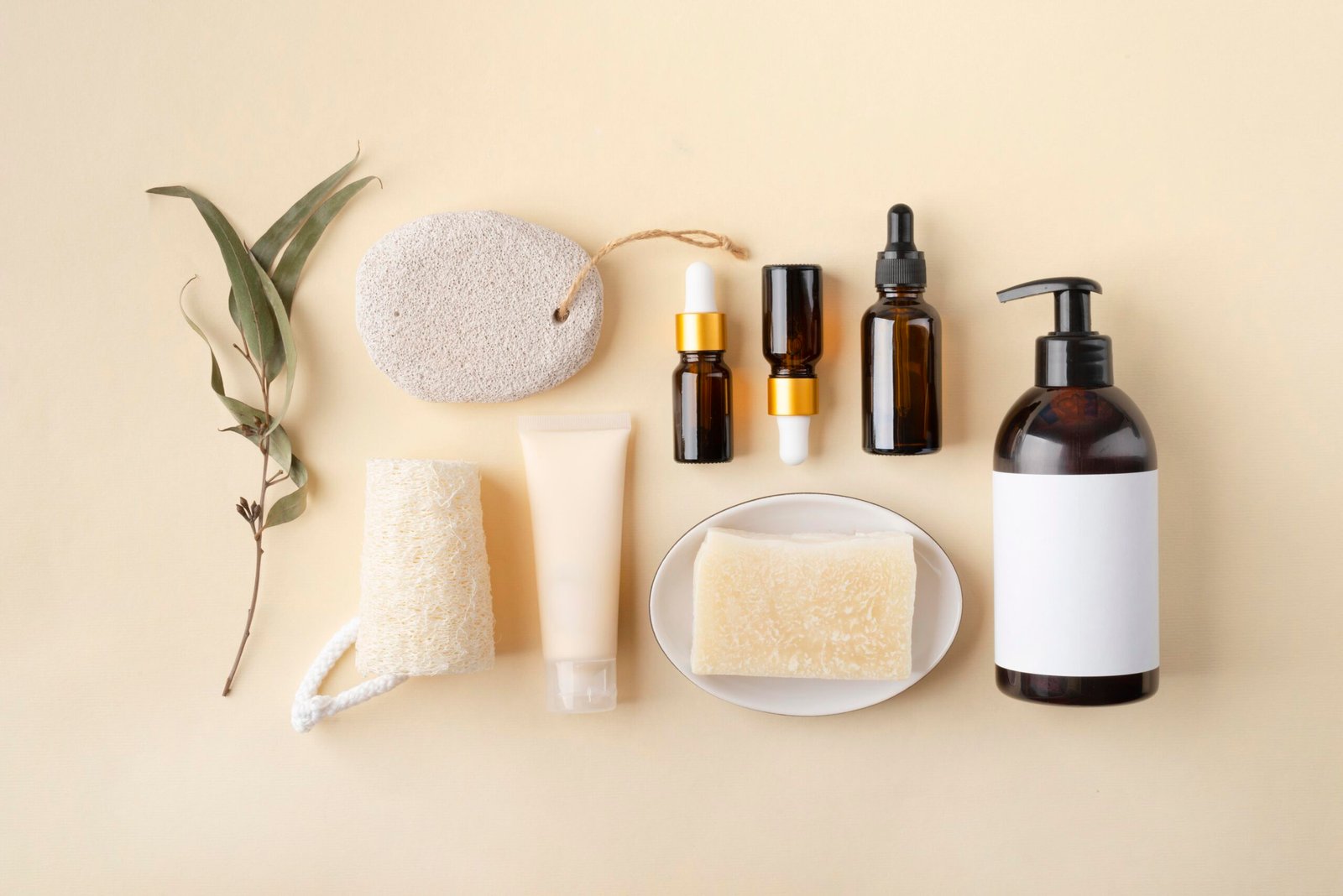
Packaging costs include:
- Bottles and jars
- Pumps and droppers
- Caps and closures
- Printed labels
- Outer boxes
- Shrink wraps
- Custom branding
Luxury packaging costs significantly more than standard packaging. Glass bottles, airless pumps, magnetic boxes, and premium printing increase the overall investment.
Brands targeting premium skincare markets usually invest more in packaging because presentation strongly influences customer buying decisions.
Manufacturing Quantity and MOQ
The number of units you manufacture directly affects the per-unit cost, alongside the MOQ requirements that affect your manufacturing cost at every production tier.
Small-batch production usually has a higher cost per product because setup, labor, and packaging expenses are spread across fewer units. Larger batches reduce the cost per piece.
For example:
- Manufacturing 500 units may cost much more per bottle.
- Manufacturing 10,000 units lowers the production cost significantly.
This is why many brands work with scalable manufacturers that support both startups and established businesses. Explore our overview of third party cosmetic manufacturers to understand how this production model compares to private label and custom manufacturing approaches.
Good Karma Wellness Private Limited offers scalable batch manufacturing solutions for brands at different growth stages.
Testing and Certification Costs
Every skincare product should go through proper testing before entering the market. Testing ensures product safety, stability, and compliance.
Common testing costs include:
- Stability testing
- Microbial testing
- Patch testing
- Preservative efficacy testing
- Heavy metal testing
If brands want certifications like organic, cruelty-free, vegan, dermatologically tested, or FDA compliance, the cost may increase further.
Reliable manufacturers prioritize quality assurance because consumer safety is extremely important in the skincare industry.
According to the company information available on their official website, Good Karma Wellness Private Limited operates with GMP certification, ISO 9001:2015 compliance, and global quality standards. For a broader look at certified production partners, read Who Is a Reliable GMP-Certified Personal Care Manufacturer in India?
Private Label vs Custom Manufacturing Costs
There are two common manufacturing approaches in skincare:
Private Label Manufacturing
Private label manufacturing is usually more affordable and faster. In this model, manufacturers already have ready-made formulations. Brands simply customize packaging and labels.
Benefits include:
- Lower investment
- Faster launch
- Lower formulation costs
- Easier scalability
Working with trusted private label skin care manufacturers is an ideal starting point for brands entering the skincare market with controlled budgets, offering lower investment, faster launch timelines, and immediate access to ready-made formulations.
Custom Manufacturing
Custom manufacturing involves developing entirely unique products from scratch.
Benefits include:
- Unique formulations
- Stronger brand identity
- Greater product differentiation
However, custom manufacturing costs more because of research, development, testing, and multiple trials.
Hidden Costs Brands Often Ignore
Many new skincare brands only calculate manufacturing costs and forget additional business expenses.
Some hidden costs include:
- Branding and marketing
- Website development
- Product photography
- E-commerce setup
- Shipping and warehousing
- Product registration
- Influencer marketing
- Advertising campaigns
These costs can sometimes exceed the actual manufacturing budget, especially during product launch stages.
How to Reduce Skin Care Manufacturing Costs
Reducing manufacturing costs does not mean compromising quality. Smart planning can help brands manage expenses effectively.
Here are some practical ways:
- Start with fewer SKUs
- Choose scalable packaging
- Work with experienced manufacturers
- Use private label options initially
- Order larger quantities gradually
- Focus on high-demand products
- Simplify packaging design
Most importantly, choosing the right manufacturing partner can save both time and money. Working with experienced private label cosmetic manufacturers gives brands immediate access to ready formulations, scalable packaging, and compliance support without the overhead of in-house production.
Why Choosing the Right Manufacturer Matters
A trusted skincare manufacturer does more than just produce products. Choosing dependable beauty product manufacturers with end-to-end manufacturing capabilities from formula development and ingredient sourcing to regulatory guidance and export readiness can make a significant difference in long-term brand success.
An experienced manufacturing company can support:
- Formula development
- Ingredient sourcing
- Packaging selection
- Regulatory guidance
- Quality control
- Large-scale production
- Export readiness
Good Karma Wellness Private Limited positions itself as a science-driven and purpose-led personal care manufacturer focused on clean, conscious, and sustainable product development. The company supports skincare, body care, wellness, and cosmetic brands with flexible third-party manufacturing solutions.
Final Thoughts
The cost to manufacture skincare products depends on many factors, including ingredients, packaging, formulation complexity, certifications, and production scale for a wider perspective, explore the broader costs of private label personal care manufacturing across product categories. Small skincare brands can begin with affordable private label solutions, while larger brands may invest in advanced custom formulations for stronger market differentiation.
The most important step is selecting a manufacturing partner that understands quality, compliance, scalability, and evolving consumer demands. If you’re planning to enter this market, our guide on How to Start Your Own Skincare Brand in India in 2026 provides a practical roadmap to help you launch with confidence. With rising demand for clean beauty, sustainable ingredients, and high-performance skincare, working with a trusted manufacturer can significantly improve brand success.
Partner with Good Karma Wellness Private Limited
If you are planning to launch a skincare or personal care brand, Good Karma Wellness Private Limited can help you turn your idea into a market-ready product. From clean and conscious formulations to private label manufacturing, packaging support, and scalable production, the company offers end-to-end solutions designed for modern skincare brands. With GMP-certified manufacturing practices, scientific expertise, and a strong focus on quality, Good Karma Wellness Private Limited supports startups as well as established brands looking for reliable skincare manufacturing solutions.
Frequently Asked Questions
Q1. How much does it cost to start a skincare line?
Starting a skincare line can cost anywhere from ₹50,000 to several lakhs, depending on formulation, packaging, branding, and manufacturing quantity. Small private label launches usually require lower investment compared to fully customized product lines.
Q2. What is the cheapest way to manufacture skincare products?
Private label manufacturing is usually the most affordable option because the formulations are already developed and tested. It reduces research, development, and testing expenses.
Q3. Why are skincare manufacturing costs so different?
Costs vary because every product uses different ingredients, packaging styles, testing requirements, and production quantities. Premium formulations naturally cost more than basic skincare products.
Q4. Is packaging expensive in skincare manufacturing?
Yes, packaging can become one of the biggest expenses, especially for luxury skincare brands. Custom bottles, premium boxes, and advanced dispensers increase costs significantly.
Q5. What affects the cost of skincare ingredients?
Ingredient quality, sourcing location, purity, and formulation type affect pricing. Organic, natural, vegan, and active ingredients are generally more expensive.
Q6. Can small businesses manufacture skincare products?
Yes, many manufacturers offer low MOQ and small-batch production services for startups. This helps emerging brands enter the market with lower risk.
Q7. How long does skincare product manufacturing take?
Manufacturing timelines depend on formulation complexity, packaging availability, and testing requirements. Private label products are usually faster to launch than custom-developed formulations.
Q8. Why should brands work with professional skincare manufacturers?
Professional manufacturers ensure quality control, safety compliance, product consistency, and scalable production. They also help brands avoid costly formulation and regulatory mistakes.