
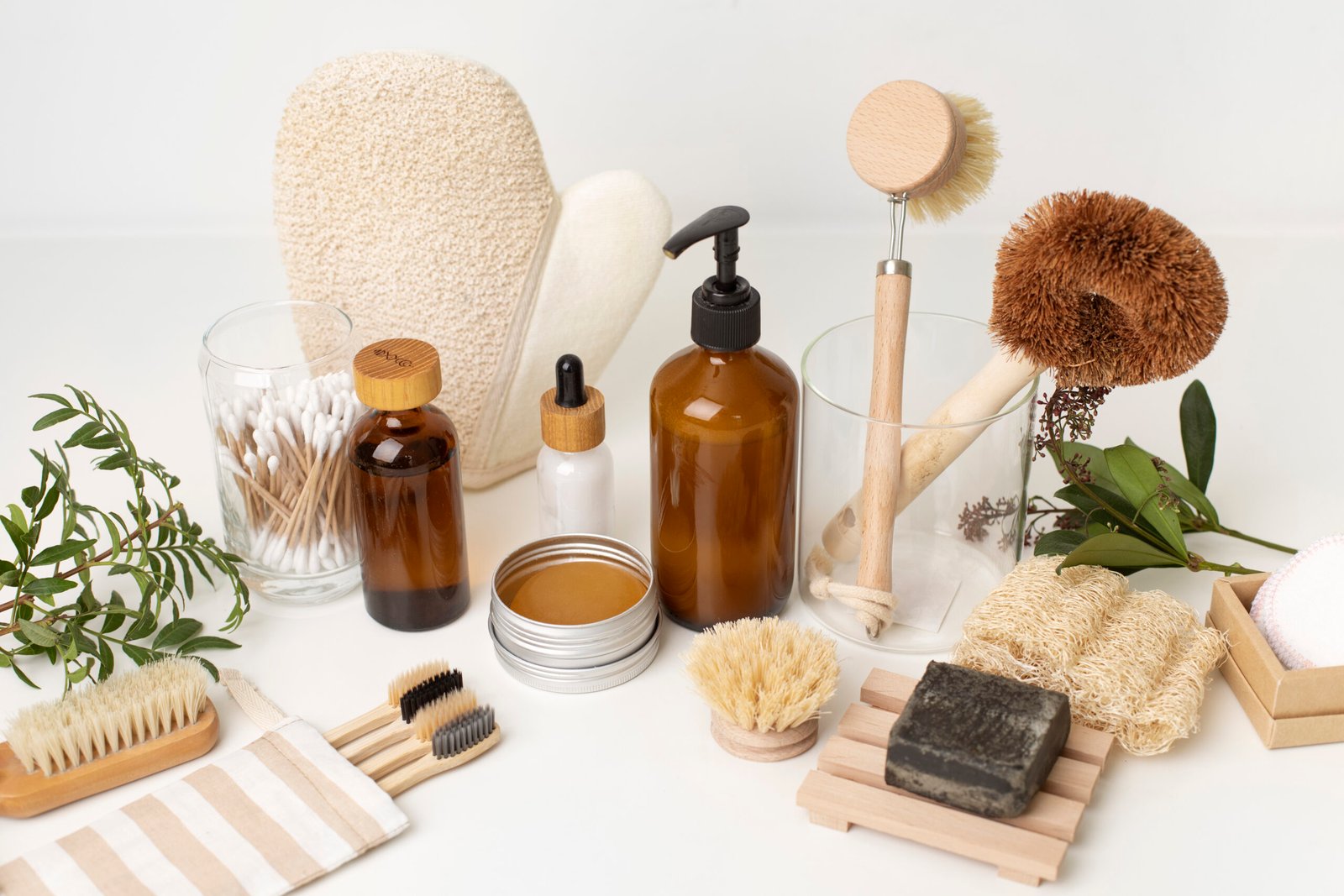
Sustainability in personal care manufacturing is more than a trend, it’s a responsibility. From natural ingredient sourcing to eco-friendly packaging, every step plays a part in reducing environmental impact while maintaining product quality. But how are sustainable personal care products actually made? Let’s walk through the process, from concept to completion.
1. Choosing Clean, Ethical Ingredients
Every sustainable product begins with its ingredients. Manufacturers like Good Karma Co (now Good Karma Wellness Pvt Ltd) prioritize plant-based, renewable, and biodegradable ingredients that are safe for both the skin and the planet.
Ingredients are carefully selected from certified suppliers who follow ethical and environmentally sound farming practices. Instead of harsh chemicals, we use naturally derived actives, essential oils, and botanical extracts. For example, coconut-derived cleansers or aloe-based moisturizers provide the same effectiveness as their synthetic counterparts, without harmful residues.
Sustainability also extends to traceability. Each raw material is documented from source to shelf to ensure complete transparency and accountability, similar to practices followed by third party cosmetic manufacturers.
2. Responsible Research and Development (R&D)
Before any formulation reaches the market, it undergoes rigorous R&D. Sustainable innovation focuses on creating high-performance products backed by science and guided by purpose.
At Good Karma Co (now Good Karma Wellness Pvt Ltd), our formulations are tested for efficacy, safety, and stability using eco-conscious methods. Instead of relying on unnecessary animal testing or high-waste lab processes, we use alternative testing models, small-batch experimentation, and recyclable lab materials. The goal is to balance innovation with integrity, offering products that are both effective and ethically developed.
3. Sustainable Manufacturing Practices
The production process is where sustainability truly comes to life. A sustainable facility uses energy-efficient systems, minimizes waste, and follows strict environmental regulations.
Some key sustainable manufacturing practices include:
- Water recycling systems: Used water is purified and reused to minimize waste.
- Energy-efficient machinery: Equipment designed to lower electricity consumption.
- Low-emission production: Reducing carbon footprint by optimizing energy use and choosing clean energy sources.
- Batch optimization: Producing in efficient volumes to minimize waste and maintain consistency.
At Good Karma Co (now Good Karma Wellness Pvt Ltd), every batch is produced with precision, ensuring resource conservation without compromising quality, similar to leading cosmetic manufacturers in chennai.
4. Eco-Friendly Packaging and Design
Sustainability extends beyond what’s inside the bottle. Packaging plays a significant role in reducing environmental impact. Modern manufacturers are adopting packaging made from recycled, recyclable, or biodegradable materials.
We prioritize minimalistic design, using fewer components, lighter materials, and eco-friendly inks. Even small changes like switching to glass jars or post-consumer recycled plastic can significantly reduce landfill waste, as seen with cosmetic manufacturers in hyderabad.
Additionally, refillable systems and reusable containers are gaining popularity, encouraging consumers to participate actively in sustainability.
5. Ethical Sourcing and Supply Chain Transparency
A sustainable product is only as ethical as its supply chain. That’s why transparency is a cornerstone of sustainable manufacturing. From sourcing ingredients to final delivery, every step must align with environmental and social responsibility.
We partner with suppliers who share our values, those committed to fair labor practices, biodiversity preservation, and responsible sourcing, much like cosmetics manufacturers in maharashtra and cosmetics manufacturers in kolkata.
6. Waste Management and Circular Practices
Sustainability also means reducing waste at every level. Manufacturers like Good Karma Co (now Good Karma Wellness Pvt Ltd) adopt zero-waste principles, where by-products are reused, recycled, or repurposed.
Examples include:
- Repurposing plant waste as compost or natural fertilizer.
- Using production leftovers for sample batches.
- Implementing digital documentation to reduce paper waste.
Circularity ensures that nothing goes to waste, closing the loop between creation, use, and reuse, aligning with insights from Can Manufacturers Help Build Region-Specific Beauty Products?.
7. Testing, Certification, and Compliance
Before any product reaches consumers, it undergoes rigorous testing and must comply with global regulatory standards. Sustainable manufacturers ensure products are dermatologically tested, allergen-free, and compliant with safety certifications like ISO, GMP, and cruelty-free seals, as explained in Who Is a Reliable GMP-Certified Personal Care Manufacturer in India?.
Certifications are not just badges; they are proof of integrity. They assure consumers that the brand stands by its promise of safety, performance, and sustainability.
8. Empowering Consumers with Purpose
Sustainability doesn’t stop at manufacturing; it extends to the people who use the products. Education and awareness empower consumers to make responsible choices. By offering transparency in ingredient lists and promoting mindful consumption, brands build long-term trust and loyalty.
At Good Karma Co (now Good Karma Wellness Pvt Ltd), we believe that conscious creation inspires conscious consumption. Every sustainable personal care product we make is designed not just to care for skin, but to care for the Earth, similar to insights shared in Which Company Offers Private Label Personal Care Manufacturing in India.
Ready to Build Products with Purpose?
Whether you’re a startup or an established brand, Good Karma Co (now Good Karma Wellness Pvt Ltd) helps you bring your sustainable personal care vision to life, responsibly, scientifically, and beautifully.
Join hands with us to create products that don’t just perform, they make a difference.
Start your sustainable journey today. Book a Consultation with Good Karma Co.
Frequently Asked Questions
Q1. What makes a personal care product sustainable?
A product is sustainable when it’s made using eco-friendly ingredients, ethical sourcing, low-waste manufacturing, and recyclable packaging.
Q2. Are sustainable personal care products as effective as conventional ones?
Yes. With advanced R&D and natural actives, sustainable formulations perform as well as, or even better than, traditional products.
Q3. How do manufacturers ensure ingredient safety?
Ingredients go through rigorous testing for stability, safety, and performance, often using alternative, cruelty-free testing methods.
Q4. Why is packaging so important for sustainability?
Packaging impacts waste and carbon emissions. Eco-friendly packaging reduces landfill waste and promotes recycling or reuse.
Q5. Do sustainable products cost more to make?
They can, due to ethical sourcing and testing, but large-scale adoption and innovation are reducing costs over time.
Q6. How can consumers verify if a product is truly sustainable?
Look for third-party certifications like ECOCERT, cruelty-free seals, and transparent ingredient lists.
Q7. What is the biggest challenge in sustainable manufacturing?
Balancing cost, scalability, and ethical sourcing while maintaining performance and quality standards.
Q8. How is Good Karma Wellness Pvt Ltd contributing to sustainability?
We integrate sustainable sourcing, eco-friendly production, and transparent partnerships to craft clean, effective, and ethical products.